Mining & Heavy Industry Inspection Services
Dilenza provides welding and coating inspectors for mining and heavy industrial equipment, covering crushing and grinding equipment, material handling structures, chutework, wear protection and heavy structural fabrication.
Inspection can take place at fabrication workshops and equipment suppliers during manufacturing, or at mine and plant sites during erection, shutdowns and relining campaigns.
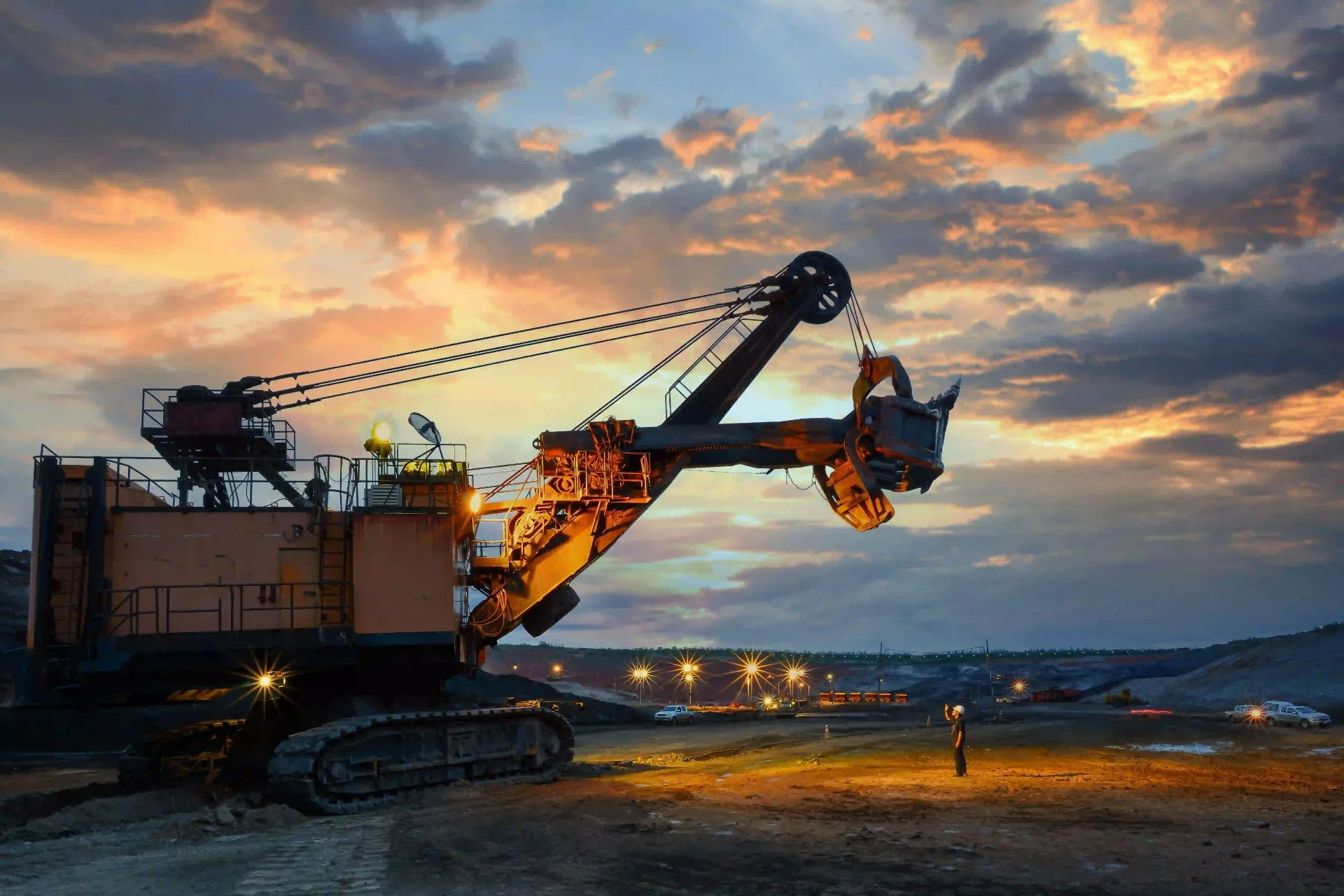
Equipment and structures inspected
Mining and heavy industry equipment combines thick-section welding, abrasion-resistant materials and large fabricated assemblies.
Crushing and grinding equipment
Crusher frames, mill shells, trunnions, liners, gearbox housings and heavy machined weldments supplied to processing plants.
Material handling structures
Conveyor galleries, transfer towers, stackers, reclaimers, apron feeders and supporting steelwork.
Chutes, hoppers and bins
Fabricated chutework, surge bins, silos, hoppers and liners subject to abrasion and impact in service.
Heavy structural fabrication
Thick-section plate girders, columns, bracing, platforms and modular structures for processing and mineral plants.
Wear protection and hardfacing
Wear plate, overlay and hardfacing deposits, cladding and repair welding applied to components exposed to abrasive service.
Tanks, thickeners and process vessels
Leach tanks, thickeners, agitators, slurry piping and pressure equipment used in mineral processing circuits.
Welding inspection on heavy fabrication
Typical activities across machinery weldments, structures and wear-protection work.
- Review of drawings, welding specifications, inspection and test plans and fabrication sequences
- WPS, PQR and welder qualification verification for thick-section and high-strength steels
- Material traceability, mill certificate review and plate identification checks
- Preheat, interpass control and heat-input monitoring on heavy weldments
- Fit-up, alignment and dimensional verification of large fabricated assemblies
- Visual inspection during and after welding, including distortion and repair control
- NDT witnessing and review: UT, MT, PT and RT on critical joints
- Hardfacing and overlay verification, hardness testing and repair procedure review
- Trial assembly, marking, preservation and shipping-readiness checks
Protective coating inspection
Equipment and structures operate in abrasive, humid and often remote environments where coating durability affects maintenance cost.
- Surface preparation, cleanliness and blast profile verification on heavy steelwork
- Environmental condition monitoring during blasting and application
- Coating system verification against the project specification and durability requirements
- Dry film thickness measurement, holiday detection and adhesion testing
- Galvanizing and duplex system verification where specified
- Edge, weld and bolted-connection treatment before overcoating
- Damage repair, touch-up after transport and final coating acceptance records
How inspection is organised
Assignments follow the fabrication and construction sequence of the project.
Vendor surveillance at fabricators
Inspection can be structured around project-defined hold points, witness points, FAT activities and final verification for engineered equipment and industrial procurement.
Multi-site fabrication packages
Coordinated coverage where structures, chutework and mechanical equipment are fabricated by several suppliers in different countries.
Site erection and construction support
Inspection of site welding, field joints, bolted connections, touch-up coating and installation work at mine and plant sites.
Shutdown and relining campaigns
Additional inspection capacity during planned outages covering repair welding, liner replacement, wear-plate renewal and coating work.
Common questions
- What is inspected on mining equipment fabrication?
- Typical scopes cover material verification, weld procedure and welder qualification review, welding inspection on thick-section joints, NDT witnessing, dimensional and trial-assembly checks, coating inspection and final documentation review.
- Can inspectors cover hardfacing and wear-plate work?
- Yes. Inspector selection is based on the project requirements, including the applicable code, equipment type, welding and overlay processes, qualification level and relevant fabrication experience.
- Do you support inspection at remote mine sites?
- Yes. Assignments can be arranged at fabrication workshops, supplier facilities and remote project sites, including rotational and resident arrangements where the work is continuous.
- Which qualifications are commonly requested?
- AWS CWI, CSWIP 3.1 and International Welding Inspector qualifications for welding work, and AMPP or FROSIO qualifications for protective coating work.
Tell Us About the Inspection
You do not need to prepare a long enquiry. Provide what you already know — supplier location, equipment, inspection scope, qualification and dates.
Have an ITP, specification, drawing, purchase order or inspection scope? Upload it with your request.
Single Visit · Recurring · Resident · Rotational · Multi-Site