Rotational Inspector Services for Industrial Projects
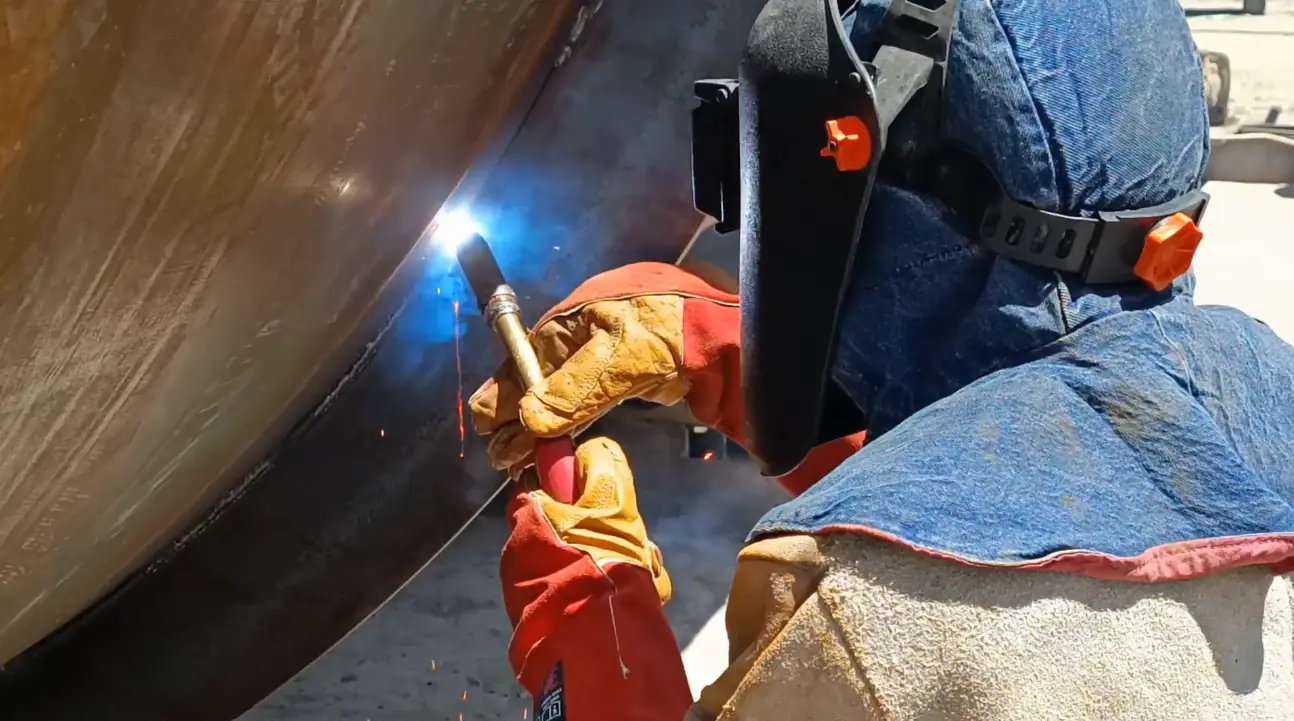
Dilenza provides rotational inspector services for industrial projects requiring qualified welding and coating inspectors to work according to structured rotation schedules.
Rotational assignments are particularly suited to offshore, remote and intensive project environments where continuous or extended inspection presence is required but personnel cannot remain on site indefinitely.
Dilenza selects inspectors according to the technical requirements of the project, applicable standards, required qualifications, location, working conditions, rotation pattern and expected assignment duration.
Welding & coating specialists
Qualified inspectors selected for the technical scope
Flexible rotation structures
Project-defined schedules and working patterns
Long-term continuity
Inspection coverage planned across successive rotations
Worldwide assignments
Europe · Middle East · Asia · Africa · Americas
Continuous Inspection Without Continuous Individual Deployment
Some projects need inspection every day.
That does not always mean one inspector can—or should—remain permanently on site.
Offshore platforms, remote construction sites, fabrication yards, mining projects and other demanding environments often operate through defined personnel rotations.
A rotational inspection model allows qualified professionals to alternate according to the project schedule while maintaining the required level of technical coverage.
The structure can involve one inspector following repeated rotations or several inspectors alternating to maintain continuous project presence.
The inspector may rotate. The project knowledge should not.
How a Rotation Maintains Continuous Project Coverage
- Inspector AOn siteHandoverOff rotation
- Inspector BOff rotationHandoverOn site
What Is a Rotational Inspector?
A rotational inspector is assigned to a project according to a repeating working schedule rather than a standard continuous work pattern.
Examples can include project-defined rotations such as:
- 14 days on / 14 days off
- 21 days on / 21 days off
- 28 days on / 28 days off
- 28 days on / 14 days off
- Other client-defined schedules
The appropriate arrangement depends on:
- Project location
- Working hours
- Site rules
- Travel requirements
- Local regulations
- Client requirements
- Project duration
- Required continuity
Rotation patterns should always be confirmed as part of the assignment setup rather than assumed.
Rotational Welding and Coating Inspectors
Rotational Welding Inspectors
Dilenza can provide qualified welding inspectors for long-term or remote projects requiring rotation-based coverage.
Depending on the project scope, responsibilities may include:
- Welding documentation review
- WPS verification
- Welder qualification checks
- Material identification and traceability
- Fit-up inspection
- Welding surveillance
- Preheat and interpass monitoring
- Welding parameter verification
- Visual welding inspection
- NDT witnessing
- Weld repair follow-up
- Final documentation review
For projects requiring continuous welding coverage:
Rotational Coating Inspectors
Protective coating programs at offshore, remote or large industrial locations may also require rotation-based inspection.
Depending on the scope, coating inspectors may support:
- Surface preparation
- Surface cleanliness
- Surface profile
- Environmental-condition monitoring
- Coating-material verification
- Application surveillance
- Wet-film thickness
- Dry-film thickness
- Holiday testing
- Adhesion testing
- Repair inspection
- Final coating documentation
For continuous coating assignments:
The inspector may rotate. The project knowledge should not.
When Rotational Inspection Is the Right Model
Offshore Projects
Offshore environments frequently operate with structured personnel rotations and defined mobilization cycles.
Remote Project Locations
Sites with limited access, long travel times or camp-based accommodation may require rotation-based staffing.
Long Working Cycles
Projects operating extended shifts or continuous production may require inspection resources arranged around specific work patterns.
Multi-Month or Multi-Year Assignments
Rotation can support long-term project continuity without relying on one person remaining permanently at the location.
Continuous Coverage Is Required
Two or more inspectors can alternate when the project requires uninterrupted inspection presence between rotations.
Specialist Skills Are Needed on Site
Rotation can be appropriate where the project requires a qualified welding or coating inspector whose technical competence must remain available throughout the project.
Rotation is a staffing model. Continuity is the service.
One Inspector or a Rotational Team?
Single Inspector on Repeated Rotation
One inspector may return to the same project for successive work periods. This can provide strong continuity because the professional retains direct familiarity with:
- Project requirements
- Production history
- Open observations
- Repair activities
- Reporting expectations
- Site personnel
This model depends on the project's required coverage during the inspector's off-rotation.
Two-Inspector Rotation
Where continuous presence is required, two inspectors may alternate according to the agreed schedule.
A structured handover becomes essential.
Multi-Inspector Rotation
Larger projects may require several inspectors because of:
- Multiple shifts
- Several work fronts
- Welding and coating activities
- Different production areas
- High inspection workload
- Parallel contractors
Dilenza can help structure the required profiles according to the project rather than simply multiplying identical roles.
Maintaining Continuity Between Rotations
A successful rotational inspection program depends on more than scheduling. Each handover should preserve the technical history of the project.
Relevant handover information may include:
- Current fabrication status
- Open inspection points
- Outstanding observations
- Repair status
- NDT status
- Coating status
- Upcoming ITP points
- Documentation issues
- Supplier concerns
- Project schedule
- Reporting requirements
- Key project contacts
Where several inspectors alternate, reporting and handover expectations should be defined before mobilization.
How Dilenza Selects Rotational Inspectors
- 1
Technical Scope
We establish whether the assignment requires welding inspection, coating inspection or multiple specialists.
- 2
Required Qualifications
Profiles are reviewed against project requirements such as AWS CWI, CSWIP, AMPP, FROSIO or other applicable qualifications.
- 3
Relevant Project Experience
Experience may be required in environments such as:
- Offshore
- Marine
- Oil and gas
- Petrochemical
- Mining
- Power generation
- Heavy fabrication
- Construction
- 4
Rotation Availability
The inspector must be able to commit to the expected schedule across the required project period.
- 5
Site Requirements
Depending on the project, this can include:
- Medical requirements
- Safety training
- Offshore certifications
- Site induction
- Travel documentation
- Client approvals
- 6
Language and Reporting
Communication and reporting capability are considered alongside technical competence.
- 7
Client Review
Suitable inspector profiles can be presented for client review before deployment.
Rotational vs Resident Inspection
Rotational Inspection
Best suited when:
- The project operates in defined work cycles
- The location is offshore or remote
- Continuous individual presence is impractical
- Working schedules are intensive
- Inspectors need structured time off between deployments
You are here: Rotational Inspectors
Resident Inspection
Best suited when:
- A conventional long-term site schedule is possible
- One inspector can remain continuously or regularly assigned
- Daily project presence is required
- Local or regional deployment is practical
Industries We Support
Rotational welding and coating inspectors can support projects across:
Oil and gas
Offshore energy
Petrochemical and chemical
Marine and shipbuilding
Power generation
Renewable energy
Mining and heavy industry
Structural steel
Industrial construction
Global Rotational Inspection Coverage
Dilenza supports rotation-based inspection assignments across major industrial regions, including:
Europe
Middle East
Asia
Africa
North America
Latin America
Project feasibility depends on the location, required qualifications, rotation structure, access conditions and inspector availability.
Why Dilenza for Rotational Inspection?
Technical Fit
Inspector profiles are selected according to the actual welding or coating requirements.
Rotation Compatibility
Availability is considered across the expected project schedule, not only for the first mobilization.
Continuity Planning
Handover requirements can be incorporated into the project structure.
Flexible Team Structure
Projects can use one inspector, alternating inspectors or larger rotational teams.
Welding & Coating Focus
Dilenza remains focused on its two specialist inspection disciplines.
International Project Support
Rotation-based assignments can be structured for industrial projects across global locations.
Frequently Asked Questions About Rotational Inspection
What is a rotational inspector?
A rotational inspector works according to a defined repeating schedule, alternating periods on and off the project rather than remaining continuously on site.
Which rotation schedules can Dilenza support?
The schedule depends on the project. Examples may include 14/14, 21/21 or 28/28 arrangements, but the final rotation is defined by the client and project requirements.
Can Dilenza provide rotational welding inspectors?
Yes. Qualified welding inspectors can be selected according to the required certification, standards, industry and project conditions.
Can Dilenza provide rotational coating inspectors?
Yes. Coating inspectors can support long-term protective coating programs under rotation-based schedules.
Can two inspectors alternate to provide continuous coverage?
Yes. Where continuous presence is required, multiple inspectors can be structured around complementary rotations.
How is project continuity maintained between inspectors?
Continuity can be supported through consistent reporting, project records and structured handovers between outgoing and incoming inspectors.
Can rotational inspectors work offshore?
Yes, subject to project-specific technical, medical, safety, access and certification requirements.
Can we interview the inspectors before deployment?
Yes. Client technical review and interviews can be incorporated into the selection process where required.
Request Rotational Inspectors
Tell us how the project operates
Share the technical scope, project location, rotation schedule and expected duration.
Dilenza will review the requirement and identify inspectors suited to both the technical work and the operating conditions.
Diligence through every rotation.
Qualified welding and coating inspectors for projects that require continuity across demanding schedules and locations.