Renewable Energy Welding & Coating Inspection
Third-party welding and protective coating inspection for wind energy, offshore wind, hydropower and fabricated renewable-energy projects.
Renewable-energy projects depend on large fabricated structures, welded components and protective coating systems produced across complex international supply chains.
Dilenza provides qualified welding and coating inspectors for renewable-energy projects at manufacturers, fabrication yards, construction sites and other project locations worldwide.
Inspector profiles are selected according to the asset, materials, welding processes or coating system, applicable standards, fabrication environment, location and required duration.
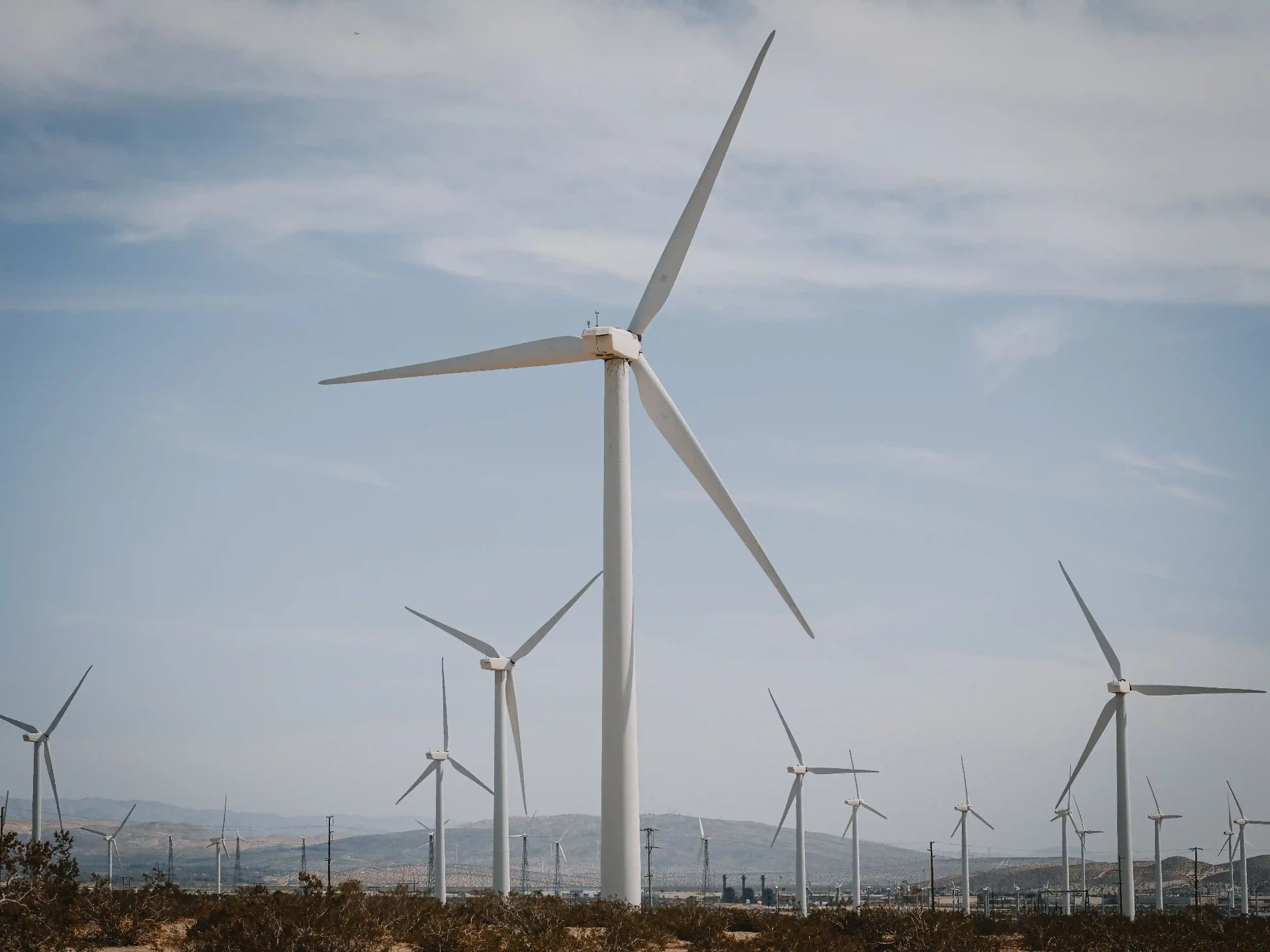
Inspection for Renewable Energy Projects
Renewable-energy projects create different inspection requirements according to the technology, structure and operating environment.
A wind tower manufacturer may require welding inspection throughout fabrication. An offshore wind foundation may require both structural welding inspection and intensive corrosion-protection inspection. A hydropower project may involve fabricated steel, piping, pressure-containing components and coated equipment.
Dilenza structures the inspection requirement around the actual project.
Support can include:
Wind Energy Welding Inspection
Wind-energy structures can involve large welded components manufactured to demanding dimensional, fatigue and quality requirements.
Dilenza welding inspectors can support:
- Wind turbine towers
- Tower sections
- Flanges
- Structural connections
- Foundation components
- Transition components
- Fabricated support structures
- Skids and auxiliary steelwork
- Other welded wind-energy components
Typical Welding Inspection Activities
Depending on the project:
- Material identification and traceability
- WPS verification
- PQR review
- Welder qualification verification
- Joint preparation
- Fit-up inspection
- Welding surveillance
- Preheat and interpass monitoring
- Welding parameter verification
- Visual welding inspection
- NDT witnessing
- Dimensional inspection
- Weld repair follow-up
- Final fabrication documentation
Protective Coating Inspection for Wind Energy
Wind-energy structures are exposed to environmental conditions that make corrosion protection an important part of long-term asset performance.
Dilenza coating inspectors can support protective coating work on:
- Wind towers
- Offshore foundations
- Monopiles
- Jackets
- Transition pieces
- Structural steel
- Platforms
- Secondary steel
- Fabricated components
- Other coated renewable-energy structures
Typical Coating Inspection Activities
Depending on the project:
- Coating specification review
- Surface-condition assessment
- Surface-preparation inspection
- Surface-cleanliness verification
- Surface-profile measurement
- Dust and contamination checks
- Environmental-condition monitoring
- Dew-point measurement
- Relative-humidity monitoring
- Steel-temperature checks
- Coating-material verification
- Application surveillance
- Stripe-coat inspection
- Wet-film thickness
- Dry-film thickness
- Holiday testing
- Adhesion testing
- Repair inspection
- Final coating documentation
Offshore Wind Welding & Coating Inspection
Offshore wind projects combine heavy structural fabrication with demanding corrosion-protection requirements.
Dilenza can provide welding and coating inspectors for project-specific assets such as:
- Monopiles
- Jackets
- Transition pieces
- Towers
- Offshore substations
- Topside structures
- Platforms
- Secondary steel
- Fabricated modules
- Other support structures
Inspection may take place at one fabrication yard or across several suppliers producing different project packages.
Monopile Welding Inspection
Monopile fabrication can involve large-diameter sections, heavy plate, longitudinal and circumferential welds and continuous production over extended periods.
Depending on the project, welding inspection may include:
- Material traceability
- Plate identification
- Joint preparation
- Fit-up
- Welding procedure verification
- Welder qualification verification
- Welding surveillance
- Visual inspection
- NDT witnessing
- Dimensional checks
- Weld repair follow-up
- Final documentation
Where manufacturing continues daily, recurring or resident inspection can provide continuity throughout production.
Wind Tower Welding & Coating Inspection
Wind tower fabrication requires both welding quality and effective corrosion protection.
Welding
Inspection may support:
- Tower shell fabrication
- Longitudinal welds
- Circumferential welds
- Flanges
- Internal attachments
- Structural details
- Fit-up
- NDT
- Repairs
Protective Coatings
Inspection may support:
- Surface preparation
- Cleanliness
- Surface profile
- Environmental conditions
- Coating application
- DFT
- Repairs
- Final verification
This allows welding and coating activities to be followed as part of the same wider fabrication program.
Offshore Wind Corrosion Protection Inspection
Offshore support structures operate in aggressive marine environments where coating-system performance depends heavily on preparation, application and inspection.
Inspection can include:
- Surface preparation
- Abrasive blasting
- Surface cleanliness
- Surface profile
- Environmental conditions
- Coating-system verification
- Stripe coating
- Application monitoring
- Dry-film thickness
- Holiday testing where applicable
- Repair inspection
- Final documentation
Requirements must always be established from the applicable project coating specification and controlled documentation.
Third-Party Renewable Energy Inspection
Dilenza can provide independent welding and coating inspectors for:
- Developers
- Owners
- EPC organizations
- Turbine and equipment manufacturers
- Fabricators
- Foundation suppliers
- Contractors
- Project quality teams
Third-party inspection can support:
- Vendor surveillance
- Manufacturing surveillance
- ITP attendance
- Hold points
- Witness points
- Welding inspection
- Coating inspection
- NDT witnessing
- Dimensional inspection
- Repair follow-up
- Production-status reporting
- Final documentation
Inspection at Renewable Energy Manufacturers
Much of the quality history of a renewable-energy structure develops before the equipment reaches the project site.
Inspection can follow production through stages such as:
- 01Material Receipt
- 02Preparation
- 03Fit-Up
- 04Welding
- 05NDT
- 06Dimensional Inspection
- 07Surface Preparation
- 08Coating
- 09Final Inspection
- 10Documentation
Dilenza can provide:
Welding & Coating Standards
Renewable-energy fabrication can operate under different standards according to the structure, manufacturer, project location and certification scheme.
Welding Standards & Project Requirements
Requirements may include:
- ISO 3834
- EN structural fabrication requirements
- AWS requirements where applicable
- IEC wind-energy requirements
- DNV requirements for relevant offshore wind projects
- Client specifications
- Manufacturer specifications
- Project welding specifications
- Inspection and Test Plans
ISO 3834 establishes welding quality requirements applicable in both workshop manufacturing and field installation environments.
Wind projects may also operate within the IEC 61400 framework, while offshore wind support structures can be subject to project-specific DNV requirements.
Coating Standards & Project Requirements
Depending on the project, requirements may include:
- ISO 12944
- AMPP requirements
- FROSIO-related qualification requirements
- DNV corrosion-protection requirements
- Client specifications
- Coating manufacturer requirements
- Project coating specifications
For offshore structures, ISO 12944-9 addresses protective paint systems for offshore and related structures exposed to marine environments.
DNV also maintains dedicated guidance for corrosion protection of wind-turbine support structures, especially offshore installations.
The applicable standard, edition, inspection responsibility and acceptance criteria must always be established from controlled project documentation.
Selecting a Renewable Energy Inspector
Certification alone does not define project suitability.
Dilenza considers:
- Welding or coating discipline
- Required qualification
- Wind-energy experience
- Offshore wind experience
- Asset type
- Materials
- Welding processes
- Coating systems
- Applicable standards
- Fabrication environment
- Project location
- Language
- Availability
- Assignment duration
Depending on the requirement:
Welding Inspector Profiles
- AWS CWI
- CSWIP Welding Inspector
- CSWIP Senior Welding Inspector
- International Welding Inspector
- Relevant NDT qualifications
- Other project-specific credentials
Coating Inspector Profiles
- AMPP coating inspection qualifications
- FROSIO qualifications
- Other project-specific coating credentials
Review the Inspector Before Deployment
Relevant renewable-energy inspector profiles can be presented for client technical assessment before confirmation.
The client can review:
- Qualifications
- Wind or offshore experience
- Asset experience
- Welding or coating background
- Standards familiarity
- Fabrication-yard experience
- Reporting capabilities
- Language
- Location
- Availability
Where required, interviews with shortlisted inspectors can be arranged before final selection.
Inspection Coverage Built Around the Project
Single Inspection Visit
One defined fabrication, testing or coating activity.
Recurring Inspection
Planned attendance aligned with manufacturing milestones.
Resident Inspector
Continuous technical presence during long-term fabrication.
Rotational Inspector
Coverage for remote, offshore or intensive project schedules.
Multi-Site Inspection
Inspection across several manufacturers or fabrication yards.
Inspection presence should follow the actual manufacturing and project schedule.
Multi-Site Renewable Energy Inspection
Renewable-energy supply chains frequently involve several manufacturers.
For example:
- Supplier AWind towers
- Supplier BMonopiles
- Supplier CTransition pieces
- Supplier DSecondary steel
- Supplier ECoated structural components
Dilenza can structure welding and coating inspection support across several suppliers and countries according to the technical requirements and manufacturing schedules involved.
Hydropower Welding & Coating Inspection
Renewable-energy inspection is not limited to wind projects.
Hydropower projects may involve welded and coated assets such as:
- Piping
- Penstocks
- Structural components
- Gates
- Fabricated equipment
- Pressure-containing components
- Supporting steelwork
Dilenza can review welding and coating inspector requirements according to the specific project scope, applicable standards and equipment involved.
Reporting & Project Communication
Depending on the assignment, reporting can include:
- Daily reports
- Inspection visit reports
- Photographs
- ITP status
- Hold and witness records
- Material status
- Welding observations
- NDT status
- Coating observations
- Environmental readings
- DFT records
- Repair follow-up
- Dimensional observations
- Punch lists
- Final summaries
Reporting requirements can be aligned before deployment.
Frequently Asked Questions
Does Dilenza provide both welding and coating inspectors for renewable-energy projects?
Yes. Inspection support can cover welding, protective coatings or both disciplines.
Can Dilenza provide wind turbine welding inspectors?
Yes. Relevant inspector profiles can be selected according to the wind component, fabrication process, applicable standards and project requirements.
Can Dilenza inspect wind tower fabrication?
Yes. Welding and coating inspectors can support tower manufacturing according to the agreed inspection scope.
Can Dilenza support offshore wind projects?
Yes. Inspection requirements can be reviewed for monopiles, jackets, transition pieces, towers and other fabricated offshore wind structures.
Can coating inspectors inspect offshore wind corrosion protection?
Yes. Qualified coating inspectors can support surface preparation, environmental monitoring, coating application, thickness verification, testing and repairs according to project requirements.
Can Dilenza provide inspectors at fabrication yards?
Yes. Inspection can be arranged as individual visits, recurring surveillance or continuous resident presence.
Can we interview the inspector before deployment?
Yes. Relevant profiles can be presented for technical review, and shortlisted inspectors can be interviewed where required.
Can Dilenza cover several renewable-energy suppliers?
Yes. Multi-site inspection can be structured where project packages are manufactured at several facilities.
Request a Renewable Energy Inspector
Tell us:
- Project location
- Fabrication location
- Renewable-energy technology
- Asset or component
- Welding, coating or both
- Applicable standards
- Required qualification
- Project phase
- Start date
- Working schedule
- Expected duration
Dilenza will review the requirement and identify relevant inspector profiles.
Review Qualified Renewable Energy Inspectors Before You Decide
The right inspector should fit the asset, applicable standard, fabrication environment and schedule—not simply hold an available certification.
Receive profiles matched to your project, review their relevant wind, offshore or hydropower experience and, where required, interview shortlisted inspectors before confirming the assignment.
Welding & Coating Inspection for Renewable Energy Projects
From one wind-tower fabrication visit to continuous welding and coating inspection across an offshore wind supply chain, Dilenza provides inspectors selected around the technical requirements, fabrication environment, location and project duration.