Dilenza
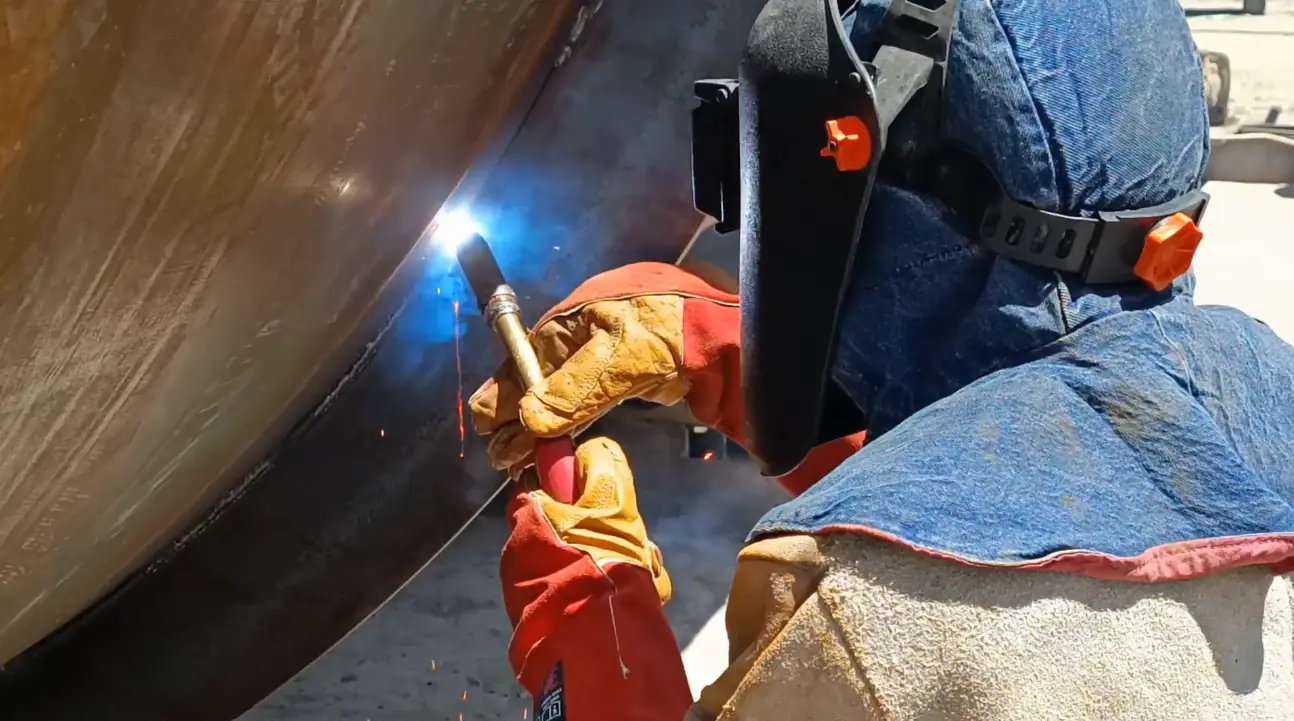
Certified welding inspector examining a fabricated steel weld

Third-Party Welding Inspection Services for Industrial Projects

Dilenza provides independent third-party welding inspection services for fabrication facilities, construction sites, shipyards, supplier workshops and equipment manufacturers worldwide.

We identify qualified AWS CWI, CSWIP, IWI and other project-specific inspector profiles for a single hold point, recurring surveillance or resident coverage. Each profile is matched to the applicable code, equipment, materials, welding process, location, language and assignment duration.

Our inspectors work to the agreed drawings, ITP, specifications and acceptance criteria, giving project teams an objective record of what was reviewed, observed and reported.

  • Certified inspector profiles

    AWS CWI · CSWIP · IWI and other project-specific qualifications

  • Flexible assignments

    Single visit · Short-term · Recurring · Resident · Rotational

  • Project-specific selection

    Certification · Standards · Experience · Location · Language

  • International coverage

    Europe · Middle East · Asia · Africa · Americas

Independent inspection

Independent Third-Party Welding Inspection

Dilenza provides independent inspection on behalf of project owners, EPC contractors, procurement teams, manufacturers and contractors that require an objective view of fabrication quality.

We do not replace the fabricator's own quality-control function. Our role is defined by the client's scope and may include document review, welding-procedure and welder-qualification checks, material traceability, fit-up, welding surveillance, visual inspection, NDT witnessing, repair follow-up and reporting.

The scope, authority, reporting format and escalation route are agreed before mobilisation, so every party understands what the inspector is responsible for verifying.

Definition

What are welding inspection services?

Welding inspection services provide technical verification of welding activities against approved procedures, drawings, project specifications, acceptance criteria and applicable codes or standards.

Depending on the project, a welding inspector may review documentation before fabrication, verify materials and traceability, inspect joint preparation and fit-up, monitor welding conditions, perform visual inspection, witness specified examinations or tests, review repairs and verify final inspection records.

The exact inspection scope is defined by the project requirements and the responsibilities assigned to the inspector.

A weld is completed in minutes. Its consequences can remain for decades.

Approach

Welding inspection where quality is actually created

A completed weld reveals only part of the story.

Its conformity may also depend on the material used, joint preparation, approved welding procedure, welder qualification, consumables, environmental conditions, preheat, heat input, interpass temperature, workmanship, repairs and the records generated during production.

This is why effective welding inspection often begins before the arc is struck.

Dilenza provides welding inspectors who can follow the relevant stages of fabrication or construction and establish an objective record of what was verified, witnessed and observed.

Our inspectors may act at a supplier's workshop, fabrication yard, construction site, shipyard, manufacturing plant or other project location according to the agreed inspection scope.

Inspection scope

Welding Inspection Scope

Before welding, during welding and after welding — the three stages where welding quality is established, verified and documented.

Inspection before welding

Before welding begins, the inspector may verify that the conditions required by the project documentation are in place. Depending on the assignment, activities can include:

Review of project documentation

The inspector may review the documentation relevant to the planned welding activities, including:

  • Approved drawings
  • Project specifications
  • Inspection and Test Plans (ITPs)
  • Quality plans
  • Welding Procedure Specifications (WPS)
  • Procedure Qualification Records or WPQRs
  • Welder or welding operator qualification records
  • Applicable acceptance criteria
  • Material documentation
  • NDT procedures where relevant to the inspection scope
  • Repair procedures
  • Client-specific welding requirements

The purpose is to confirm that the documents required for the inspected activity are available, applicable and appropriately identified before work proceeds.

Welding procedure verification

The inspector can verify that the Welding Procedure Specification being used corresponds to the welded joint, material group, thickness, process, position and other applicable project requirements.

Where required by the assignment, supporting qualification documentation can also be reviewed.

Welder qualification verification

Before production welding, the inspector may verify that welders or welding operators hold the qualifications required for the work they are assigned to perform.

Relevant variables can be checked against the applicable qualification record and project requirements.

Material identification and traceability

Inspection can include verification of material identification and traceability against project documentation. Depending on the project, this can involve:

  • Material grades
  • Heat numbers
  • Material certificates
  • Component identification
  • Transfer of identification markings
  • Traceability records
  • Consumable identification

This is especially important where the project requires traceability from incoming material through fabrication and final documentation.

Joint preparation and fit-up

Before welding, the inspector may examine the prepared joint and assembly conditions. Typical checks can include:

  • Joint configuration
  • Bevel preparation
  • Root gap
  • Root face
  • Alignment
  • Hi-lo or mismatch
  • Tack weld condition
  • Cleanliness
  • Weld backing where applicable
  • Temporary attachments
  • Dimensional conformity
  • Accessibility for welding and inspection

Identifying an issue at the fit-up stage can allow it to be addressed before it becomes incorporated into the completed weld.

Diligence means following the detail before it becomes the problem.

Inspector qualifications

Certified Welding Inspectors Selected for Your Project

Certification matters. Project suitability matters too.

A welding inspector's certification provides important evidence of technical competence, but the certificate alone does not determine whether that person is the right inspector for a particular assignment.

Dilenza evaluates the complete project requirement before proposing an inspector.

Depending on the project, profiles may include professionals holding qualifications such as:

  • AWS CWI

    AWS Certified Welding Inspector — CWI

    AWS CWI profiles may be requested particularly for projects, clients and specifications using AWS or other North American welding requirements.

    Explore AWS CWI Inspectors

    Need an AWS CWI for a defined project assignment? Explore AWS CWI Welding Inspection Services.

  • CSWIP 3.1

    CSWIP 3.1 Welding Inspector

    CSWIP 3.1 inspectors are commonly requested for fabrication and construction inspection assignments across international industrial sectors.

  • CSWIP 3.2

    CSWIP 3.2 Senior Welding Inspector

    Projects requiring a more senior welding inspection profile may specify CSWIP 3.2 or an equivalent level of qualification and experience.

  • IWI

    International Welding Inspector — IWI

    Where required, Dilenza can identify inspectors holding relevant International Welding Inspector qualifications appropriate to the project specification.

Additional qualifications

Some projects require a combination of welding inspection and complementary competence. Depending on the scope, this may include:

  • NDT qualifications
  • Welding coordination competence
  • Industry-specific qualifications
  • Client approvals
  • Site-specific certifications
  • Safety training
  • Offshore training
  • Coating inspection qualifications

Requirements are established individually for each assignment.

Need a CSWIP-qualified welding inspector?

When a client, EPC contractor or purchase order specifies CSWIP 3.1 or CSWIP 3.2, Dilenza can match a CSWIP-qualified welding inspector profile to the applicable code, equipment, materials, location and schedule — for one visit, recurring surveillance or resident coverage. Explore CSWIP Welding Inspection Services.

Inspector selection

How Dilenza Selects a Welding Inspector

The assignment defines the profile

A request for “one welding inspector” can represent very different technical needs.

Inspecting structural steel under an AWS specification is different from following pressure piping fabrication, pipeline welding, railway production or offshore structures.

Before proposing a candidate, Dilenza considers the factors that define the assignment.

  1. 01

    Applicable codes and standards

    Which welding, fabrication and inspection requirements govern the work?

  2. 02

    Inspector certification

    Which certification scheme and level are required by the specification or client?

  3. 03

    Materials and welding processes

    What materials, thicknesses, processes and joint types will the inspector encounter?

  4. 04

    Component or asset type

    Will the inspector follow piping, pressure equipment, structural steel, tanks, pipelines, rail components, offshore structures or other fabricated equipment?

  5. 05

    Relevant project experience

    Does the inspector have experience in a comparable technical and industrial environment?

  6. 06

    Inspection responsibilities

    Is the requirement limited to visual inspection, or does the assignment include document review, surveillance, NDT witnessing, reporting, meetings, release activities or other responsibilities?

  7. 07

    Location and mobilization

    Is the inspector already located near the project? Are travel, visa, medical, safety or site-access requirements involved?

  8. 08

    Language and reporting

    Which languages are required for communication and documentation?

  9. 09

    Assignment duration

    Is the project one day, several weeks, twelve months or several years?

  10. 10

    Client review

    Relevant inspector profiles can be submitted to the client for technical review before the assignment is confirmed.

Assignment types

Welding Inspection Assignment Types

One inspection point or continuous project presence

Dilenza supports different welding inspection models according to how the project is organized.

  1. 1 day
  2. Recurring
  3. Short-term
  4. Resident
  5. Multi-year
  • Single Inspection Visit

    A welding inspector can attend a supplier or project site for a defined inspection activity, hold point, witness point, final inspection or technical verification.

    Suitable for:

    • Individual witness points
    • Final inspection
    • Specific fabrication stages
    • Weld repair verification
    • Documentation review
    • Client-defined inspection visits
  • Short-Term Welding Inspector

    An inspector can support a concentrated period of fabrication, construction, repair, shutdown or commissioning work. Assignments can range from several days to multiple weeks or months.

  • Recurring Welding Inspection

    When full-time presence is unnecessary, inspection can be organized at predetermined intervals or project milestones.

    Examples can include:

    • Weekly inspection
    • Production milestone visits
    • ITP witness points
    • Periodic supplier surveillance
    • Defined fabrication stages
  • Resident Welding Inspector

    For projects requiring continuous technical oversight, Dilenza can provide a resident welding inspector who works at the supplier, fabrication yard or project site for the agreed duration. Resident assignments are particularly suited to projects involving sustained fabrication or construction activity where continuity of inspection, documentation and communication is important. Assignments may be full-time, part-time or structured around the project's required working pattern.

  • Rotational Welding Inspector

    Remote, offshore or intensive projects may require rotational inspection arrangements. The requested rotation, project conditions, access requirements and continuity plan should be defined when selecting the inspector.

  • Multi-Site Welding Inspection

    A single project may involve several manufacturers, subcontractors, fabrication yards or countries. Dilenza can support the deployment of appropriate welding inspectors across multiple project locations while aligning the assignment requirements and reporting expectations.

Standards and codes

Welding Standards and Codes

Inspection aligned with the requirements of your project

Welding inspection requirements vary according to the asset, industry, jurisdiction, project specification and contract.

Dilenza selects inspectors according to their familiarity with the codes and standards applicable to the assignment.

Projects may reference standards and codes including:

Important: The applicable edition, acceptance criteria and contractual requirements must always be confirmed from the project's controlled documentation. A standard name alone does not define the complete inspection scope.

Industries

Industries We Support

Welding inspection across critical industrial applications

Welded components are present across very different industries. The inspection approach must reflect the equipment, fabrication process, operating environment and requirements of the project.

  • Oil and Gas

    Inspection support for:

    • Pipelines
    • Process piping
    • Skids
    • Modules
    • Storage facilities
    • Terminals
    • Fabricated equipment
    • Onshore and offshore projects
  • Petrochemical and Chemical

    Inspection of welding activities associated with:

    • Process piping
    • Pressure equipment
    • Storage tanks
    • Structural steel
    • Plant equipment
    • Fabrication and maintenance projects
  • Pressure Equipment and Piping

    Inspection support for:

    • Pressure vessels
    • Boilers
    • Heat exchangers
    • Process piping
    • Tanks
    • Packaged equipment
    • Fabricated assemblies
  • Power Generation

    Welding inspectors can support fabrication, construction, maintenance and equipment manufacturing activities for conventional and renewable energy projects.

  • Renewable Energy

    Inspection support can include welded structures and equipment used for:

    • Wind energy
    • Offshore wind
    • Hydropower
    • Energy infrastructure
    • Supporting structures
  • Marine and Offshore

    Welding inspection for:

    • Shipyards
    • Offshore structures
    • Modules
    • Marine equipment
    • Fabricated steel structures
    • Repair and modification work
  • Structural Steel and Infrastructure

    Inspection support for:

    • Buildings
    • Bridges
    • Steel structures
    • Transport infrastructure
    • Fabricated structural components
    • Construction projects
  • Rail and Transportation

    Inspection of welded components and structures associated with rolling stock, rail manufacturing and supporting transportation infrastructure.

  • Mining and Heavy Industry

    Inspection support for fabricated steelwork, machinery, processing equipment and heavy industrial structures.

  • Industrial Manufacturing

    Welding inspection for equipment manufacturers, fabricators, machinery suppliers and international industrial supply chains.

Global coverage

Global Welding Inspection Coverage

Qualified inspectors where your project needs them

Dilenza supports welding inspection projects across major manufacturing and industrial regions worldwide.

Our coverage model considers both technical suitability and project location. Where possible, identifying an appropriately qualified inspector close to the assignment can reduce unnecessary mobilization while supporting faster project coordination.

Who we support

Who Uses Dilenza Welding Inspection Services?

  • 01

    Project owners and asset operators

    Independent technical presence can help owners follow fabrication or construction activities being performed on their behalf.

  • 02

    EPC and engineering companies

    Inspectors can support supplier surveillance, site activities, project hold points and continuous inspection requirements.

  • 03

    Manufacturers and fabricators

    Additional qualified inspection resources can support project-specific requirements, peak workload, client inspections or temporary staffing needs.

  • 04

    Contractors

    Welding inspectors can be deployed for defined construction, installation, shutdown, maintenance or repair activities.

  • 05

    Procurement and supply-chain teams

    Inspection at the supplier's location can provide visibility into fabrication progress and specified quality requirements before equipment reaches the project site.

  • 06

    Project quality teams

    Dilenza can provide additional welding inspection capacity when internal resources are unavailable, geographically distant or required for an extended project period.

Observations

What Can a Welding Inspector Help Identify?

Depending on the project requirements and inspection stage, welding inspection may identify conditions such as:

  • Welding performed outside the applicable approved procedure
  • Incomplete or unavailable qualification records
  • Incorrect material identification
  • Loss of material traceability
  • Unsuitable joint preparation
  • Fit-up outside project requirements
  • Inadequate cleanliness
  • Incorrect consumables
  • Improper consumable storage
  • Preheat outside specified requirements
  • Interpass temperature concerns
  • Visible weld imperfections
  • Dimensional nonconformities
  • Uncontrolled repairs
  • Missing inspection records
  • Incomplete NDT documentation
  • Differences between fabrication status and project documentation

The inspector evaluates observed conditions against the requirements applicable to the assignment rather than against generic assumptions.

Deliverables

Welding Inspection Reports and Deliverables

Clear evidence for project decisions

A welding inspection is only useful when the observations are communicated clearly. Depending on the assignment, Dilenza reporting can include:

Before mobilization, the reporting format, submission frequency, distribution list and escalation expectations should be established with the client.

Where the client has an existing reporting format or digital project platform, this can be reviewed as part of the assignment setup.

  • Daily inspection reports
  • Visit reports
  • Inspection activity summaries
  • Photographic evidence
  • ITP status
  • Hold and witness point records
  • Welding surveillance records
  • Identified observations
  • Nonconformity documentation where assigned
  • Repair follow-up
  • NDT status or witness records
  • Punch lists
  • Documentation status
  • Timesheets for resident assignments
  • Final assignment summaries
Process

The Dilenza Inspection Process

How an inspection request becomes an on-site assignment

  1. Define the requirement

    Tell us the project location, industry, equipment or structure, applicable standard, required inspector qualification, scope of inspection, expected starting date, assignment duration, working schedule, language requirements and reporting expectations.

  2. Review the technical scope

    Dilenza assesses the requested responsibilities and establishes the inspector profile required for the assignment.

  3. Identify relevant inspectors

    Candidates are considered according to qualification, experience, standards knowledge, project background, location and availability.

  4. Review credentials

    Required certification and supporting documentation are reviewed according to the project requirement.

  5. Client profile review

    Suitable inspector profiles can be submitted to the client before confirmation.

  6. Assignment preparation

    Once selected, the project scope, schedule, contact points, reporting requirements and mobilization conditions are confirmed.

  7. Inspection begins

    The inspector attends the agreed project location and performs the assigned inspection activities.

  8. Reporting and communication

    Inspection information is reported according to the agreed format and frequency.

  9. Continuity throughout the project

    For longer assignments, Dilenza supports project communication, extensions and continuity requirements as the assignment develops.

Why Dilenza

Why Dilenza?

Diligence applied to welding inspection

  • Technical fit before deployment

    We consider what the inspector will actually be required to inspect—not simply whether a welding inspector is available.

  • Certification aligned with the project

    Inspector qualifications are matched to the client specification and applicable project requirements.

  • Client review before confirmation

    Relevant profiles can be reviewed before the inspector is mobilized.

  • Flexible project duration

    Support is available for individual visits, short assignments, recurring inspection and continuous resident positions.

  • International project coverage

    Our model is designed for projects involving suppliers, fabrication facilities and construction locations across multiple regions.

  • Clear reporting expectations

    Inspection scope, reporting format, communication and escalation requirements can be defined before work begins.

  • Continuity for long-term assignments

    For resident positions, project continuity and assignment duration are considered from the beginning rather than treated as an afterthought.

Two disciplines

Welding Inspection and Coating Inspection Together

Projects involving fabricated steel frequently require both welding and protective coating inspection at different stages.

Dilenza's two specialist service areas allow clients to source both disciplines within the same project support structure while maintaining the appropriate qualifications and responsibilities for each activity.

  1. Fabrication
  2. Welding Inspection
  3. NDT / Acceptance
  4. Surface Preparation
  5. Coating Inspection
  6. Final Documentation

For projects requiring both disciplines, the inspection strategy can be planned according to the production sequence and project schedule.

FAQ

Frequently Asked Questions About Welding Inspection Services

What is welding inspection?

Welding inspection is the verification of welding-related activities against defined project requirements. Depending on the scope, this can include documentation, welding procedures, welder qualifications, materials, joint preparation, welding conditions, visual examination, specified testing stages, repairs and final inspection records.

When should welding inspection begin?

Where project requirements allow, inspection should be considered before production welding begins. Reviewing documentation, qualifications, materials and joint preparation early can identify issues before they become incorporated into completed work.

Can Dilenza provide a certified welding inspector?

Yes. Dilenza can identify inspector profiles according to the qualification specified by the project, which may include AWS CWI, CSWIP 3.1, CSWIP 3.2, IWI or other relevant qualifications.

Can we review the welding inspector's CV before deployment?

Yes. Relevant inspector profiles can be submitted for client review before an assignment is confirmed.

Does Dilenza provide resident welding inspectors?

Yes. Resident welding inspectors can be provided for continuous assignments at fabrication facilities, suppliers, construction sites, shipyards or other project locations.

How long can a welding inspector remain on site?

Assignments can range from an individual inspection visit to long-term project positions lasting months or years. The working schedule and duration are defined according to the project.

Can Dilenza provide welding inspection at a supplier's factory?

Yes. Welding inspectors can support supplier and vendor fabrication activities when coverage and a suitable inspector are available for the required location.

Does welding inspection include NDT?

Welding inspection and NDT are related but distinct activities. A welding inspector may witness required NDT, review reports or verify testing status when this is included in the assigned scope. Execution of an NDT method must be performed by appropriately qualified personnel in accordance with the applicable requirements.

Which welding standards can Dilenza support?

Inspector profiles can be selected according to project requirements involving AWS, ASME, API, ISO, EN and other applicable standards. The relevant code, edition and required inspector competence should be identified when requesting support.

What is the difference between a welding inspector and a resident welding inspector?

“Welding inspector” describes the technical role. “Resident welding inspector” describes an assignment model in which the inspector remains regularly or continuously at a defined project location for an extended period.

Can you provide an inspector for only one day?

Yes. Individual inspection visits can be supported where an appropriately qualified inspector is available for the project location and date.

Can the inspector use our reporting format?

Where feasible, client-specific templates, reporting platforms and communication requirements can be incorporated into the assignment setup.

What information should we provide when requesting an inspector?

For an efficient review, provide the project location, inspection scope, equipment or structure, industry, applicable code or standard, required certification, starting date, expected duration, working schedule, language and reporting requirements. The more complete the technical requirement, the more precisely the inspector profile can be selected.

Resources

Related Welding Inspection Resources

  • What Does a Welding Inspector Do?

    Understand the responsibilities of a welding inspector before, during and after welding.

  • How to Select a Welding Inspector

    A practical guide to qualifications, project experience, standards and assignment requirements.

  • AWS CWI vs CSWIP Welding Inspector

    Understand how the two qualification routes differ and when projects may specify one or the other.

  • Welding Inspection Checklist

    A downloadable reference for preparing fabrication and site inspection activities.

  • Welding Inspection Report Guide

    What project teams should define before inspection reporting begins.

  • Resident Inspector vs Periodic Inspection

    Determine which assignment model is appropriate for the project.

Request

Request a Welding Inspector

Tell us what the project requires

Whether the requirement is a single fabrication visit or a resident inspector for a multi-year project, the first step is to define the technical requirement.

Share your project information and Dilenza will review the scope and identify the type of welding inspector required.

Optional: scope of work, ITP, project specification or inspector requirement.

Project information is handled confidentially and used to evaluate your inspection requirement.

Diligence where the weld is made.

Qualified welding inspectors for fabrication, construction and industrial projects worldwide—from a single visit to continuous resident coverage.

Inspector Qualifications

Welding Inspector Qualifications

Where a project specifies a particular welding inspection credential, inspector selection is matched to that requirement.