
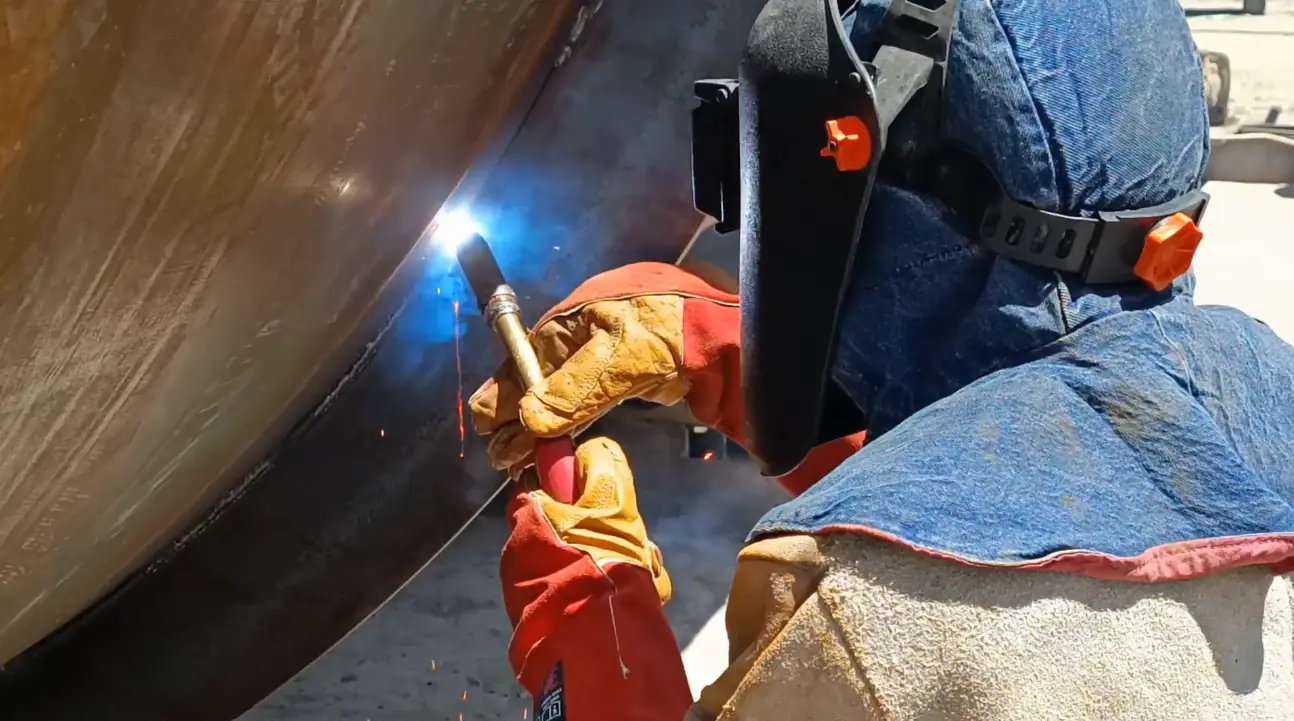
Recurring Inspection Services for Industrial Projects
Dilenza provides recurring inspection services for industrial projects that require regular welding or coating inspection without continuous on-site presence.
Inspection visits can be scheduled according to production stages, Inspection and Test Plan requirements, agreed intervals or specific project milestones.
This model provides continuity across an extended project while aligning inspector attendance with the moments where technical verification is actually required.
Scheduled inspection visits
Weekly · Monthly · Milestone-based · Project-defined
Welding & coating specialists
Qualified professionals selected for the technical scope
Consistent project follow-up
Where possible, maintain continuity across successive visits
Worldwide coverage
Europe · Middle East · Asia · Africa · Americas
Inspection That Follows the Project Rhythm
Not every project requires an inspector on site every day.
Production may progress gradually. Welding activities may occur only at certain stages. A coating system may require inspection during surface preparation, application and final testing, with several days or weeks between each stage.
Recurring inspection allows visits to be planned around those moments.
Instead of mobilizing independently for each isolated requirement, the project can establish an ongoing inspection program with defined attendance frequency, scope and reporting expectations.
Present when the project reaches the stages that matter.
Inspection attendance aligned with your production milestones
Production
- 1Stage 1
- Inspection
- 2Stage 2
- Inspection
- 3Stage 3
- Inspection
- 4Completion
What Is Recurring Inspection?
Recurring inspection is a planned series of inspection visits performed throughout an ongoing project or manufacturing program.
The frequency can be based on:
- Weekly visits
- Several visits per month
- Monthly visits
- Production milestones
- ITP hold points
- Witness points
- Welding stages
- Coating stages
- Client-defined intervals
- Changes in production workload
The inspection schedule can remain fixed or evolve according to actual production progress.
Recurring Welding and Coating Inspection
Recurring Welding Inspection
Dilenza can provide welding inspectors who return to a supplier or project site at agreed stages throughout fabrication.
Depending on the scope, visits may include:
- Welding documentation review
- Material traceability
- Joint preparation and fit-up
- Welding surveillance
- Visual welding inspection
- NDT witnessing
- Weld repair follow-up
- Final fabrication inspection
- Documentation review
For the complete technical scope:
Recurring Coating Inspection
Protective coating work frequently involves several distinct inspection stages.
Recurring coating inspection can be scheduled around activities such as:
- Surface preparation
- Surface cleanliness
- Surface profile
- Environmental-condition monitoring
- Coating application
- Dry-film thickness
- Holiday testing
- Adhesion testing
- Coating repairs
- Final acceptance
For the complete technical scope:
Present when the project reaches the stages that matter.
When Recurring Inspection Is the Right Model
Recurring inspection can be suitable when:
Production Continues Over Several Months
The project requires ongoing inspection, but activities do not justify full-time resident presence.
Inspection Is Linked to Defined Milestones
Attendance can be aligned with fabrication stages, hold points or witness points.
The Supplier Requires Regular Surveillance
Regular visits can provide ongoing visibility into production and inspection status.
The Same Project Needs Follow-Up
Successive visits allow previous observations, repairs and documentation to be reviewed as the work progresses.
Full-Time Presence Is Not Required
Inspection frequency can remain proportional to the project workload.
Recurring vs Short-Term vs Resident Inspection
Short-Term Inspection
Best when the requirement is concentrated into one defined period or inspection visit.
Recurring Inspection
Best when inspection is needed repeatedly throughout a longer project, but not every day.
You are here: Recurring InspectionResident Inspection
Best when welding or coating activity requires continuous or near-continuous on-site technical presence.
Continuity does not always require daily presence. It requires being there when it counts.
How a Recurring Inspection Program Works
- 1
Define the Project
Share the location, technical scope, applicable standards, project schedule and expected inspection frequency.
- 2
Establish the Inspection Plan
Visits can be aligned with:
- Production stages
- ITP requirements
- Weekly schedules
- Key fabrication milestones
- Coating activities
- Client priorities
- 3
Select the Inspector
Dilenza identifies a profile according to qualification, relevant experience, location, language and availability.
- 4
Conduct Scheduled Visits
The inspector attends the supplier or project site according to the agreed schedule.
- 5
Report and Follow Up
Inspection results are documented, and relevant observations can be followed during subsequent visits.
- 6
Adjust the Frequency
If production accelerates or slows, inspection frequency can be reassessed according to the project requirement.
Inspector Continuity
Where project schedules and inspector availability allow, maintaining the same professional across recurring visits can provide valuable continuity.
The inspector develops familiarity with:
- Project documentation
- Supplier processes
- Fabrication status
- Previous observations
- Repairs
- Reporting requirements
- Project contacts
Where a different inspector becomes necessary, clear documentation and handover help preserve project continuity.
Industries We Support
Recurring welding and coating inspection can support projects across:
Oil and gas
Petrochemical and chemical
Power generation
Renewable energy
Marine and offshore
Shipbuilding
Structural steel and infrastructure
Pressure equipment and piping
Rail and transportation
Mining and heavy industry
Industrial manufacturing
Global Recurring Inspection Coverage
Dilenza supports recurring inspection assignments across:
Europe
Middle East
Asia
Africa
North America
Latin America
Where technically appropriate, using an inspector located close to the project can simplify recurring attendance and reduce unnecessary repeated mobilization.
Why Dilenza for Recurring Inspection?
Project-Specific Inspector Selection
The inspector is selected according to the actual technical requirement.
Flexible Visit Frequency
Inspection can follow weekly, monthly, milestone-based or project-defined schedules.
Welding & Coating Expertise
Recurring programs can cover either of Dilenza's two specialist inspection disciplines.
Continuity
Where possible, the same inspector can follow the project across successive visits.
Clear Reporting
Each visit can generate consistent records that contribute to the wider project inspection history.
Scalable Coverage
Recurring inspection can increase or decrease according to production activity and can transition into resident support if continuous presence becomes necessary.
Frequently Asked Questions About Recurring Inspection
What is recurring inspection?
Recurring inspection is a series of scheduled inspection visits carried out throughout an ongoing project instead of one isolated visit or continuous resident presence.
How often can inspections be scheduled?
Visits can be weekly, monthly, several times per month or linked directly to project milestones and ITP requirements.
Can the same inspector attend each visit?
Where availability and the project schedule allow, maintaining the same inspector can help preserve project continuity.
Can recurring inspection cover welding activities?
Yes. Welding inspectors can attend defined fabrication stages throughout a project.
Can recurring inspection cover coating activities?
Yes. Visits can be scheduled around surface preparation, application, testing and final coating stages.
What if we eventually need daily inspection?
The inspection model can be reassessed. Where the workload becomes continuous, a resident inspector may be more appropriate.
Can the inspection frequency change during the project?
Yes. The schedule can be adapted according to production progress, inspection requirements and inspector availability.
Request Recurring Inspection Support
Build an inspection schedule around your project
Tell us where the work is taking place, what needs to be inspected and how frequently inspection is expected.
Dilenza will review the requirement and identify the appropriate inspector profile and coverage model.
Diligence at every important stage.
Scheduled welding and coating inspection that follows your project from one milestone to the next.