Dilenza
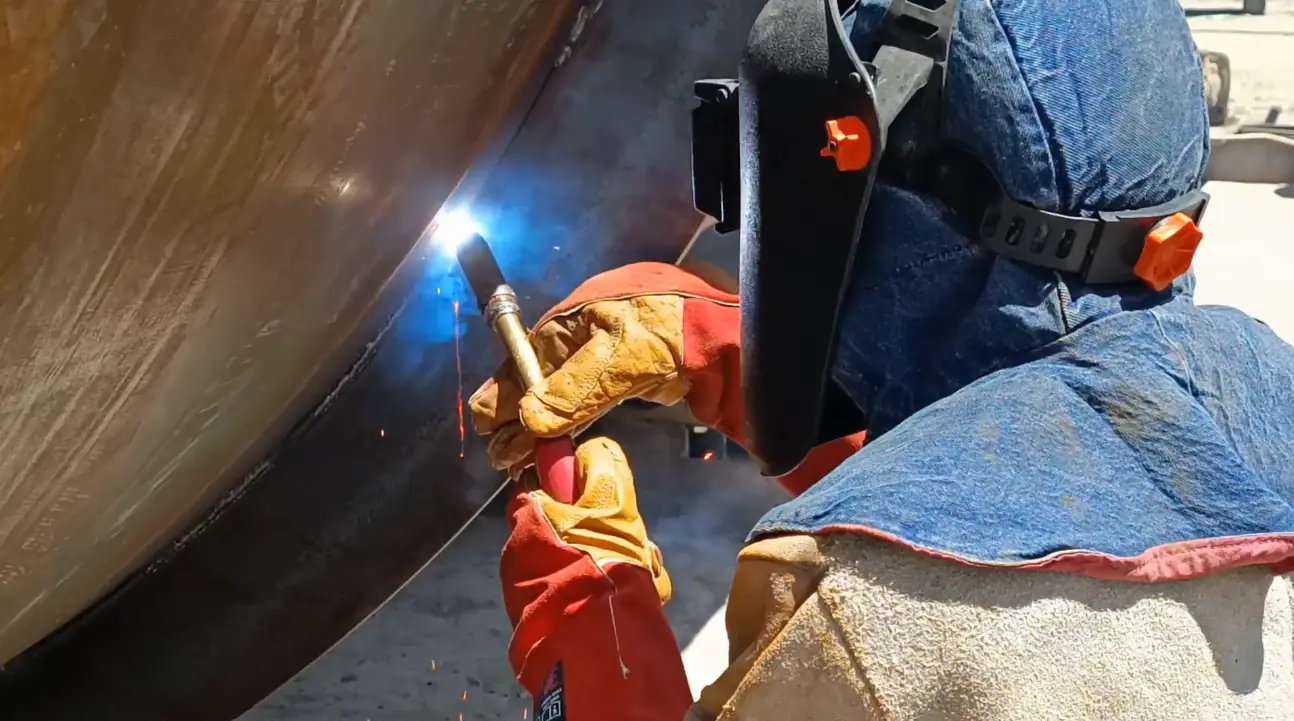
Coating inspector checking a protective coating on an industrial steel structure

Coating Inspection Services for Industrial Projects

Dilenza provides coating inspection services for industrial assets, fabricated equipment, steel structures, pipelines, storage tanks, marine structures and construction projects worldwide.

We provide qualified coating inspectors for individual inspections, short-term assignments, recurring surveillance and long-term resident positions across Europe, the Middle East, Asia, Africa and the Americas.

From verification of surface preparation before the first coat is applied to environmental monitoring, application surveillance, dry-film thickness measurement, testing, repairs and final documentation, Dilenza provides technical inspection presence throughout the coating process.

Every inspector is selected according to the coating system, project specification, required certification, applicable standards, industry experience, project location and assignment duration.

  • Qualified inspector profiles

    AMPP · FROSIO · Other project-specific qualifications

  • Flexible assignments

    Single visit · Short-term · Recurring · Resident · Rotational

  • Project-specific selection

    Certification · Coating system · Standards · Experience · Location

  • International coverage

    Europe · Middle East · Asia · Africa · Americas

Definition

What Are Coating Inspection Services?

Coating inspection services provide technical verification of surface preparation, coating materials, application conditions, workmanship, testing and documentation against the requirements defined by the project.

A coating inspector may become involved before surface preparation begins, remain present during blasting and application, verify environmental conditions and coating thickness, witness specified tests, inspect repairs and review final coating records.

The exact inspection activities depend on the coating system, substrate, asset, environment, project specification, inspection and test plan, applicable standards and responsibilities assigned to the inspector.

Effective coating inspection is therefore not limited to measuring the thickness of a finished coating.

It follows the conditions that determine whether the protective system has been applied as required.

A coating protects the asset for years. Its performance is decided while it is being applied.

Approach

Protective Coating Inspection Where Performance Begins

Once a protective coating system has been completed, many of the conditions that influenced its performance are no longer visible.

Surface contamination may have been coated over.

An unsuitable surface profile may be hidden beneath several layers.

Environmental conditions at the time of application cannot be reconstructed from the finished appearance alone.

Mixing ratios, induction times, recoat intervals and application conditions may no longer be evident after completion.

That is why coating inspection is most valuable when it follows the work as the protective system is being created.

Dilenza provides coating inspectors for fabrication workshops, paint shops, shipyards, construction sites, offshore projects, manufacturing facilities, tank farms, pipelines and other industrial environments where protective coating systems must meet defined project requirements.

Inspection scope

Coating Inspection Scope

Substrate, surface preparation, environment, application, testing, repair and acceptance — the stages where protective coating performance is established and verified.

Establishing what must be verified before the work progresses

Coating inspection can begin before abrasive blasting, mechanical preparation or other surface-treatment activities start.

Documentation and material review

Depending on the project, the inspector may review:

  • Project coating specification
  • Approved coating procedure
  • Inspection and Test Plan
  • Coating-system schedule
  • Product Data Sheets
  • Safety Data Sheets
  • Manufacturer instructions
  • Approved coating materials
  • Surface-preparation requirements
  • Environmental limits
  • Required surface profile
  • Acceptance criteria
  • Repair procedure
  • Inspection equipment
  • Calibration records
  • Project reporting requirements

The objective is to establish what must be verified before the work progresses.

Protection begins before the first coat. Diligence follows every layer after it.

Inspector qualifications

Certified Coating Inspectors Selected for Your Project

Qualification is the starting point—not the entire selection process

Different protective-coating projects require different inspector profiles.

The appropriate certification can depend on the project specification, client requirements, coating system, substrate, industry and geographical market.

Dilenza considers both formal qualifications and practical project suitability before presenting an inspector.

Depending on project requirements, profiles may include:

  • AMPP

    AMPP Coating Inspectors

    The AMPP Coating Inspector Program is widely used for protective-coating inspection. Depending on the required competence level, projects may request AMPP Basic Coatings Inspector, AMPP Certified Coatings Inspector or AMPP Senior Certified Coatings Inspector. Legacy project specifications may still refer to NACE CIP or SSPC coating-inspector terminology. Where this occurs, Dilenza reviews the actual credential requirement and current certification status rather than relying only on historic wording.

  • FROSIO

    FROSIO Surface Treatment Inspectors

    FROSIO-qualified inspectors are frequently requested for marine, offshore, energy, fabrication and other international protective-coating projects. Different certification levels exist according to the FROSIO certification scheme and documented experience.

    Explore FROSIO Coating Inspectors

    Need a FROSIO-qualified inspector for an active project? Explore FROSIO Coating Inspection Services.

  • BGAS-CSWIP

    BGAS-CSWIP Painting Inspectors

    Where the controlled project requirement specifies BGAS-CSWIP Grade 1 or Grade 2, inspector selection should consider the required grade, coating scope, asset, location and assigned responsibilities.

Other project-specific qualifications

Some projects may require:

  • Client-specific approval
  • Industry-specific training
  • Complementary NDT competence
  • Offshore certification
  • Rope-access competence
  • Confined-space training
  • Safety certifications
  • Particular coating-system experience
  • Local site qualifications

These requirements are considered individually for each assignment.

Need a NACE or AMPP-qualified coating inspector?

When a client, EPC contractor or purchase order specifies a NACE or AMPP coating inspector, Dilenza can match a qualified coating inspector profile to the coating system, asset, inspection stage, location and schedule — for one visit, recurring surveillance or resident coverage. Explore NACE Coating Inspection Services.

Inspector selection

How Dilenza Selects a Coating Inspector

The coating system and project define the profile

A request for a “coating inspector” can represent very different technical requirements.

Inspecting the external coating of a pressure vessel is not the same as following a marine ballast-tank system, offshore structure, wind tower, pipeline or industrial floor.

Before proposing an inspector, Dilenza considers the factors that define the assignment.

  1. 1

    Coating system

    Which coating materials, number of coats and application sequence are involved?

  2. 2

    Substrate

    Is the work being performed on carbon steel, stainless steel, galvanized steel, concrete or another substrate?

  3. 3

    Service environment

    Will the coating be exposed to atmospheric corrosion, immersion, chemicals, marine conditions, buried service or another environment?

  4. 4

    Applicable specification and standards

    Which project requirements govern surface preparation, application, testing and acceptance?

  5. 5

    Inspector certification

    Does the client require AMPP, FROSIO or another qualification?

  6. 6

    Required inspection activities

    Surface-preparation inspection, environmental monitoring, application surveillance, DFT measurement, holiday testing, adhesion testing, documentation review, repair inspection or final acceptance activities?

  7. 7

    Industry experience

    Has the inspector worked with comparable assets, coating systems and project conditions?

  8. 8

    Location and mobilization

    Can the inspector reach and remain at the required project location?

  9. 9

    Language and reporting

    Which languages and reporting systems will be used?

  10. 10

    Assignment duration

    Does the project require one visit, recurring surveillance or continuous presence for several months or years?

  11. 11

    Client review

    Relevant profiles can be presented to the client before the assignment is confirmed.

Assignment types

Coating Inspection Assignment Types

Coverage options ranging from a single inspection point to continuous attendance

Dilenza supports coating inspection according to the duration and continuity required by the project.

  1. 1 day
  2. Recurring
  3. Short-term
  4. Resident
  5. Multi-year

Inspection coverage that follows your project schedule.

  • Single Inspection Visit

    Suitable for defined inspection points where continuous presence is not required.

    Suitable for:

    • Surface-preparation verification
    • Specific ITP points
    • Final coating inspection
    • DFT verification
    • Holiday testing
    • Repair inspection
    • Client-defined witness points
  • Short-Term Coating Inspector

    An inspector can be assigned for a defined period during:

    • Fabrication
    • Blasting and painting campaigns
    • Shutdowns
    • Repairs
    • Maintenance programs
    • Construction
    • Tank coating
    • Marine repair
    • Industrial refurbishment
  • Recurring Coating Inspection

    Periodic inspection can be organized when continuous presence is unnecessary.

    Examples include:

    • Weekly visits
    • Production-stage inspections
    • ITP hold or witness points
    • Supplier surveillance
    • Milestone-based inspections
  • Resident Coating Inspector

    For continuous coating activities, Dilenza can provide a resident coating inspector based at the fabrication facility, construction site, shipyard or project location. Resident inspection is particularly suitable when the coating program continues over several weeks, months or years. Continuous presence enables the same inspector to follow:

    • Surface preparation
    • Environmental conditions
    • Coating batches
    • Application activities
    • Thickness results
    • Repairs
    • Documentation
    • Project changes
  • Rotational Coating Inspector

    Offshore, remote or intensive projects may require rotational working patterns. Dilenza can identify inspector profiles according to the required rotation, location, site qualifications and continuity requirements.

  • Multi-Site Coating Inspection

    Large projects may involve coating work across multiple fabricators, yards, suppliers or countries. Dilenza can support the deployment of suitable inspectors across project locations while aligning the inspection scope and reporting expectations.

Standards

Protective Coating Standards

Inspection aligned with your project specification

Coating requirements vary considerably according to the asset, exposure environment, coating system, client specification and contractual requirements.

Inspector selection should therefore reflect the standards and inspection methods applicable to the project.

Projects may reference requirements from sources including:

  • ISO 12944

    The ISO 12944 series addresses corrosion protection of steel structures by protective paint systems. Different parts address subjects including:

    • General principles
    • Environmental classification
    • Design considerations
    • Surface preparation
    • Protective paint systems
    • Laboratory testing
    • Execution and supervision
    • Specification development
    • Offshore and related structures
  • ISO 8501

    The ISO 8501 series is used for visual assessment of surface cleanliness and preparation conditions.

    • Visual assessment
    • Preparation grades
    • Surface cleanliness
  • ISO 8502

    Projects may reference parts of the ISO 8502 series for tests related to surface cleanliness and contamination.

    • Dust assessment
    • Soluble salts
    • Chloride testing
  • ISO 8503

    The ISO 8503 series addresses surface-roughness characteristics of blast-cleaned steel substrates and methods associated with surface profile.

    • Surface roughness
    • Comparators
    • Profile measurement
  • ISO 19840

    ISO 19840 provides procedures relating to verification of dry-film thickness against nominal thickness on rough steel surfaces.

    • Dry-film thickness
    • Correction values
    • Acceptance evaluation
  • ISO 2808

    ISO 2808 addresses methods for determining coating film thickness, including wet-film and dry-film thickness methods.

    • Wet-film thickness
    • Dry-film thickness
    • Measurement methods
  • AMPP requirements

    Industrial projects may also reference AMPP standards and practices for surface preparation, coatings, inspection and corrosion protection. Older specifications may retain former NACE or SSPC references. These should be reviewed against the controlled project documentation and current applicable requirements.

    • Surface preparation
    • Protective coatings
    • Corrosion protection

Important: The applicable standard, edition, project specification and acceptance criteria must always be established from controlled project documentation. A standard number alone does not define the complete coating-inspection scope.

Industries

Industries We Support

Protective coating inspection across demanding environments

The purpose and exposure of a coating system differ by industry. Dilenza selects inspectors according to the actual asset, coating system and project environment.

  • Oil and Gas

    Coating inspection support for:

    • Pipelines
    • Process equipment
    • Storage tanks
    • Terminals
    • Skids
    • Piping
    • Offshore structures
    • Refineries
    • Petrochemical facilities
  • Petrochemical and Chemical

    Inspection for protective systems used on:

    • Process plants
    • Tanks
    • Piping
    • Pressure equipment
    • Structural steel
    • Chemical-processing equipment
  • Marine, Offshore and Shipbuilding

    Protective coating inspection for:

    • Ship hulls
    • Ballast tanks
    • Deck structures
    • Offshore platforms
    • Modules
    • Marine equipment
    • Shipyard fabrication
    • Offshore wind structures
  • Power Generation

    Inspection support for coating systems applied to:

    • Power-plant equipment
    • Structural steel
    • Tanks
    • Piping
    • Fabricated components
    • Renewable-energy infrastructure
  • Renewable Energy

    Coating inspection for:

    • Wind towers
    • Offshore wind structures
    • Foundations
    • Hydropower equipment
    • Supporting steelwork
    • Energy infrastructure
  • Structural Steel and Infrastructure

    Inspection for:

    • Bridges
    • Buildings
    • Steel structures
    • Transport infrastructure
    • Industrial structures
    • Fabricated steel components
  • Storage Tanks

    Coating inspection can support internal and external coating systems for storage tanks used in energy, chemical and industrial applications.

  • Pressure Equipment and Piping

    Protective coating inspection for:

    • Pressure vessels
    • Process piping
    • Boilers
    • Heat exchangers
    • Packaged equipment
    • Fabricated assemblies
  • Mining and Heavy Industry

    Inspection support for:

    • Mining equipment
    • Processing plants
    • Steel structures
    • Material-handling equipment
    • Fabricated machinery
    • Corrosion-protection systems
  • Industrial Manufacturing

    Flexible coating inspection support for equipment manufacturers, fabricators, contractors and international industrial supply chains.

Global coverage

Global Coating Inspection Coverage

Qualified coating inspectors where your project needs them

Dilenza supports protective coating inspection assignments across major industrial regions worldwide.

Where technically suitable inspectors are available close to the project, local or regional deployment can reduce unnecessary travel and simplify project coordination.

Who we support

Who Uses Dilenza Coating Inspection Services?

  • Asset owners

    Independent coating inspection can provide technical visibility into work being performed on assets intended for long-term service.

  • EPC and engineering companies

    Coating inspectors can support fabrication surveillance, construction activities, ITP points and project coating requirements.

  • Manufacturers and fabricators

    Additional coating-inspection capacity can support project-specific requirements, customer specifications and temporary workload.

  • Painting and coating contractors

    Qualified inspection resources can support defined project inspection requirements and coating-quality activities.

  • Shipyards and marine organizations

    Coating inspectors can support surface preparation, painting and repair programs for marine and offshore assets.

  • Procurement and supply-chain teams

    Inspection at a supplier's facility can provide visibility into protective coating activities before equipment is shipped to the project location.

  • Project quality teams

    Dilenza can provide additional coating-inspection capacity for defined project phases or long-term assignments.

Observations

What Can a Coating Inspector Help Identify?

Depending on the coating system, project requirements and inspection stage, inspection may identify conditions including:

  • Surface cleanliness outside specification
  • Inadequate surface profile
  • Dust contamination
  • Soluble contamination where tested
  • Flash rusting
  • Surface recontamination
  • Unsuitable environmental conditions
  • Condensation risk
  • Incorrect coating product
  • Expired coating material
  • Incorrect mixing ratio
  • Pot-life concerns
  • Incorrect thinning
  • Incomplete stripe coating
  • Wet-film thickness outside target
  • Dry-film thickness outside requirement
  • Runs and sags
  • Pinholes
  • Holidays
  • Incomplete coverage
  • Dry spray
  • Overspray
  • Contamination between coats
  • Recoat-interval concerns
  • Mechanical damage
  • Incomplete coating repairs
  • Missing inspection records
  • Incomplete batch traceability

The inspector evaluates observed conditions against the approved requirements applicable to the project.

Reporting

Coating Inspection Reports and Deliverables

Clear records from preparation to final acceptance

A protective coating system can involve many inspection stages. Clear records help establish what was inspected, when it was inspected and the condition observed at that stage. Depending on the assignment, reporting may include:

  • Daily inspection reports
  • Inspection visit reports
  • Environmental-condition logs
  • Surface-preparation records
  • Surface-profile results
  • Surface-contamination results
  • Coating batch information
  • Wet-film thickness records
  • Dry-film thickness records
  • Holiday-testing results
  • Adhesion-testing results
  • Photographic evidence
  • Repair records
  • Punch lists
  • Observation records
  • Nonconformity documentation where assigned
  • ITP status
  • Coating progress
  • Final inspection summary
  • Resident-inspector timesheets

Before mobilization, Dilenza can align with the client on:

  • Reporting template
  • Reporting frequency
  • Distribution list
  • Escalation process
  • Photograph requirements
  • Document naming
  • Digital project systems

Where a client has an established reporting platform or template, it can be reviewed during assignment setup.

Process

The Dilenza Coating Inspection Process

How a coating requirement becomes an on-site assignment

  1. Define the requirement

    Share project location, asset or equipment, industry, coating system, applicable specification, required certification, inspection activities, start date, assignment duration, working schedule, language and reporting requirements.

  2. Review the technical scope

    Dilenza reviews the assignment and defines the inspector profile required.

  3. Identify relevant inspectors

    Potential inspectors are considered according to qualification, coating experience, industry experience, standards knowledge, project background, location and availability.

  4. Review credentials

    Required certification and supporting documentation are reviewed against the stated project requirement.

  5. Client profile review

    Suitable inspector profiles can be provided for client assessment before confirmation.

  6. Assignment preparation

    The scope, schedule, reporting requirements, contact points and mobilization conditions are established.

  7. Inspection begins

    The inspector attends the agreed facility or project location and performs the assigned activities.

  8. Reporting and communication

    Inspection results are communicated according to the agreed project process.

  9. Maintain continuity

    For long-term assignments, Dilenza supports communication, extensions and continuity requirements throughout the project.

Why Dilenza

Why Dilenza?

Diligence at every layer

  • Project-specific inspector selection

    We consider the actual coating system, specification, asset and inspection scope before proposing an inspector.

  • Qualification aligned with the requirement

    AMPP, FROSIO and other qualification requirements are considered according to the project specification.

  • Relevant coating experience

    Inspector selection considers experience with comparable coating systems, substrates, industries and project environments.

  • Client review before deployment

    Relevant profiles can be presented for assessment before the assignment is confirmed.

  • Flexible project duration

    Dilenza supports one-day inspections, short-term assignments, recurring visits and long-term resident positions.

  • Global project coverage

    Inspectors can support fabrication facilities, shipyards, construction sites and industrial projects across multiple regions.

  • Clear reporting expectations

    The inspection scope, reporting structure and communication process can be defined before deployment.

  • Long-term continuity

    For resident assignments, continuity is considered from the start so the inspector can follow the coating process throughout the project.

Two disciplines

Welding and Coating Inspection Under One Project

Many fabricated industrial assets require both welding inspection and protective coating inspection.

The two activities occur at different stages but are closely connected.

A typical project sequence may include:

  1. Fabrication
  2. Welding Inspection
  3. Weld Acceptance
  4. Surface Preparation
  5. Coating Application
  6. Coating Inspection
  7. Final Documentation

Dilenza supports both specialist disciplines while maintaining the appropriate inspector qualification and technical scope for each activity.

  • Fabricated steel structures
  • Pressure equipment
  • Tanks
  • Pipelines
  • Marine structures
  • Offshore equipment
  • Wind structures
  • Industrial machinery
  • Infrastructure projects
FAQ

Frequently Asked Questions About Coating Inspection Services

What does a coating inspector do?

A coating inspector verifies coating-related activities against the requirements defined by the project. Depending on the assignment, responsibilities may include surface-preparation inspection, environmental-condition monitoring, coating-material verification, application surveillance, thickness measurement, testing, repair inspection and documentation review.

When should coating inspection begin?

Coating inspection should be considered before coating application begins. For many projects, inspection starts before or during surface preparation so that substrate condition, cleanliness, profile and other specified requirements can be verified before they are hidden by the coating system.

Can Dilenza provide a certified coating inspector?

Yes. Dilenza can identify inspector profiles according to the qualification required by the project, including AMPP and FROSIO profiles where applicable.

Can Dilenza provide an AMPP coating inspector?

Yes, subject to project location, required level, availability and assignment requirements.

Can Dilenza provide a NACE coating inspector?

Project specifications may still use legacy NACE CIP terminology. The former NACE Coating Inspector Program is now part of the AMPP certification framework. When a project requests “NACE CIP,” Dilenza reviews the required level and current credential equivalence before proposing a profile.

Can Dilenza provide a FROSIO coating inspector?

Yes, subject to the required FROSIO level, project location, technical requirements and inspector availability.

What is surface preparation inspection?

Surface preparation inspection verifies that the substrate has been prepared according to the applicable project requirements before coating application. Depending on the project, this can include cleanliness, surface profile, dust, soluble contamination, weld and edge preparation and environmental conditions.

What is DFT inspection?

DFT means dry-film thickness. DFT inspection measures the thickness of the cured or sufficiently dried coating system according to the measurement procedure and acceptance criteria required by the project.

Does coating inspection include holiday testing?

It can. Where holiday or discontinuity testing is required by the project, the inspector's scope can include performing or witnessing the applicable test using a suitable method.

Does coating inspection include adhesion testing?

Where required by the project specification, the coating inspector may perform or witness adhesion testing using the specified method.

Can a coating inspector remain on site full time?

Yes. Dilenza provides resident coating inspectors for projects requiring continuous presence over several weeks, months or years.

Can we review the inspector's CV before deployment?

Yes. Relevant inspector profiles can be presented for client review before confirmation of the assignment.

Can Dilenza provide an inspector for one day?

Yes. Individual coating-inspection visits can be supported where an appropriate inspector is available for the required location and date.

Can coating inspectors work at a supplier's factory?

Yes. Coating inspectors can be assigned to suppliers, fabricators, paint shops, shipyards or other manufacturing locations when suitable project coverage is available.

Which coating standards can Dilenza support?

Inspector profiles can be selected according to project requirements involving ISO, AMPP and other applicable protective-coating standards and specifications. The exact standard, edition and acceptance criteria should be identified as part of the project requirement.

Which information should we provide when requesting a coating inspector?

Ideally provide project location, asset or equipment, coating system, project specification, applicable standards, required inspector certification, inspection activities, start date, expected duration, work schedule, language requirements and reporting expectations. Complete technical information helps Dilenza define the inspector profile more accurately.

Resources

Related Coating Inspection Resources

  • What Does a Coating Inspector Do?

    Understand the inspector's responsibilities from surface preparation through final acceptance.

  • How to Select a Coating Inspector

    A practical guide to certification, coating experience, standards and project requirements.

  • AMPP vs FROSIO Coating Inspectors

    Understand the two major coating-inspector qualification routes and how project requirements differ.

  • Coating Inspection Checklist

    A practical reference covering preparation, environmental monitoring, application and final inspection.

  • Surface Preparation Inspection Guide

    Understand cleanliness, profile, contamination and inspection before coating application.

  • Dry Film Thickness Inspection Guide

    Understand how coating-thickness verification fits into a protective coating inspection program.

  • Resident Coating Inspector vs Periodic Visits

    Determine the appropriate inspection model for continuous coating operations.

Request

Request a Coating Inspector

Tell us about the coating project

Whether your requirement involves one surface-preparation inspection or a resident coating inspector for a multi-year project, Dilenza starts by understanding the technical scope.

Share your project requirements and we will identify the type of coating inspector required.

Inspection Required

Optional: coating specification, ITP, scope of work or inspector requirement.

Project information is handled confidentially and used to assess your inspection requirement.

Diligence at every layer.

Qualified coating inspectors for surface preparation, application and protective coating projects worldwide—from a single inspection to continuous resident coverage.

Inspector Qualifications

Coating Inspector Qualifications

Where a project specifies a particular protective coating credential, inspector selection is matched to that requirement.