Pipeline Welding Inspection
Third-party welding inspection for pipeline fabrication, construction, installation, repair and related facilities.
Pipeline projects place specific demands on welding quality, inspection timing and technical experience.
Dilenza provides qualified pipeline welding inspectors for projects involving oil, gas and other industrial pipeline systems. Inspector profiles are selected according to the applicable standards, welding processes, materials, project environment, location, working schedule and expected assignment duration.
Support can range from a defined inspection visit or construction stage to recurring, resident or rotational inspection throughout a longer pipeline project.
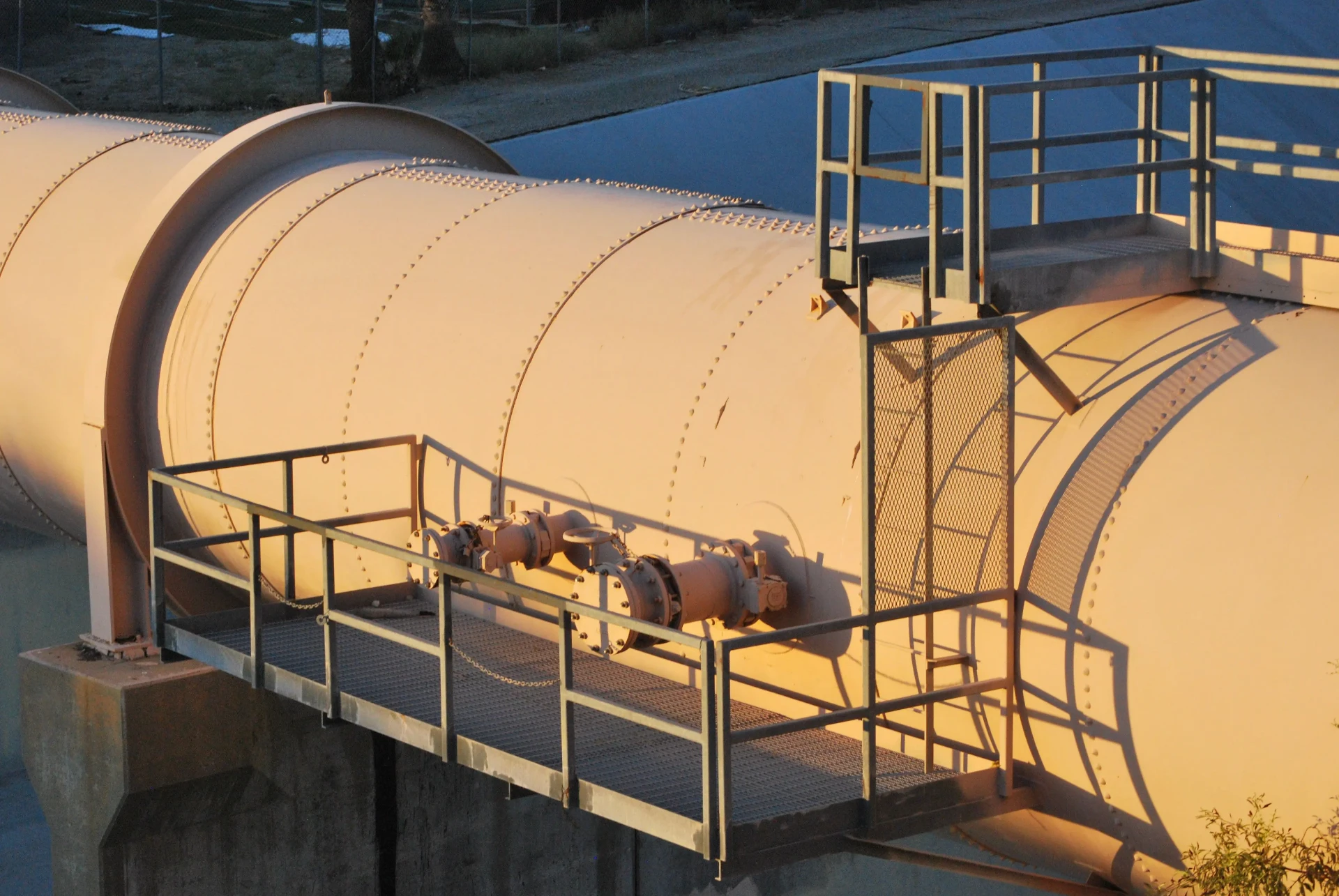
Pipeline Welding Inspection Built Around the Project
Pipeline welding does not take place within one standard project environment.
A fabrication facility producing pipeline components creates different inspection conditions from cross-country field construction. A new-build pipeline has different requirements from a repair, rehabilitation or tie-in project. Pipeline stations and associated piping may introduce additional equipment, fabrication processes and project specifications.
For that reason, pipeline welding inspection should reflect the actual conditions behind the work.
Dilenza considers factors including:
Technical requirements
- Pipeline type and service
- Materials and wall thickness
- Welding processes
- Joint configuration
- Applicable codes and specifications
- Inspection and Test Plan requirements
- NDT requirements
Project environment
- Project phase
- Construction or fabrication environment
- Project location
- Working schedule
- Assignment duration
Inspector requirements
- Required inspector qualification
- Pipeline experience
- Language and reporting requirements
The certification matters. Relevant pipeline experience matters too.
Third-Party Pipeline Welding Inspection
Independent inspection can provide the client, EPC organization, owner, contractor or project quality team with technical visibility during critical welding activities.
Dilenza can provide third-party pipeline welding inspectors to support work at fabrication facilities, construction sites and other project locations.
Depending on the assignment, the inspector may act within responsibilities defined by the client to follow welding activities, verify project requirements, witness inspection points, review documentation and report observations.
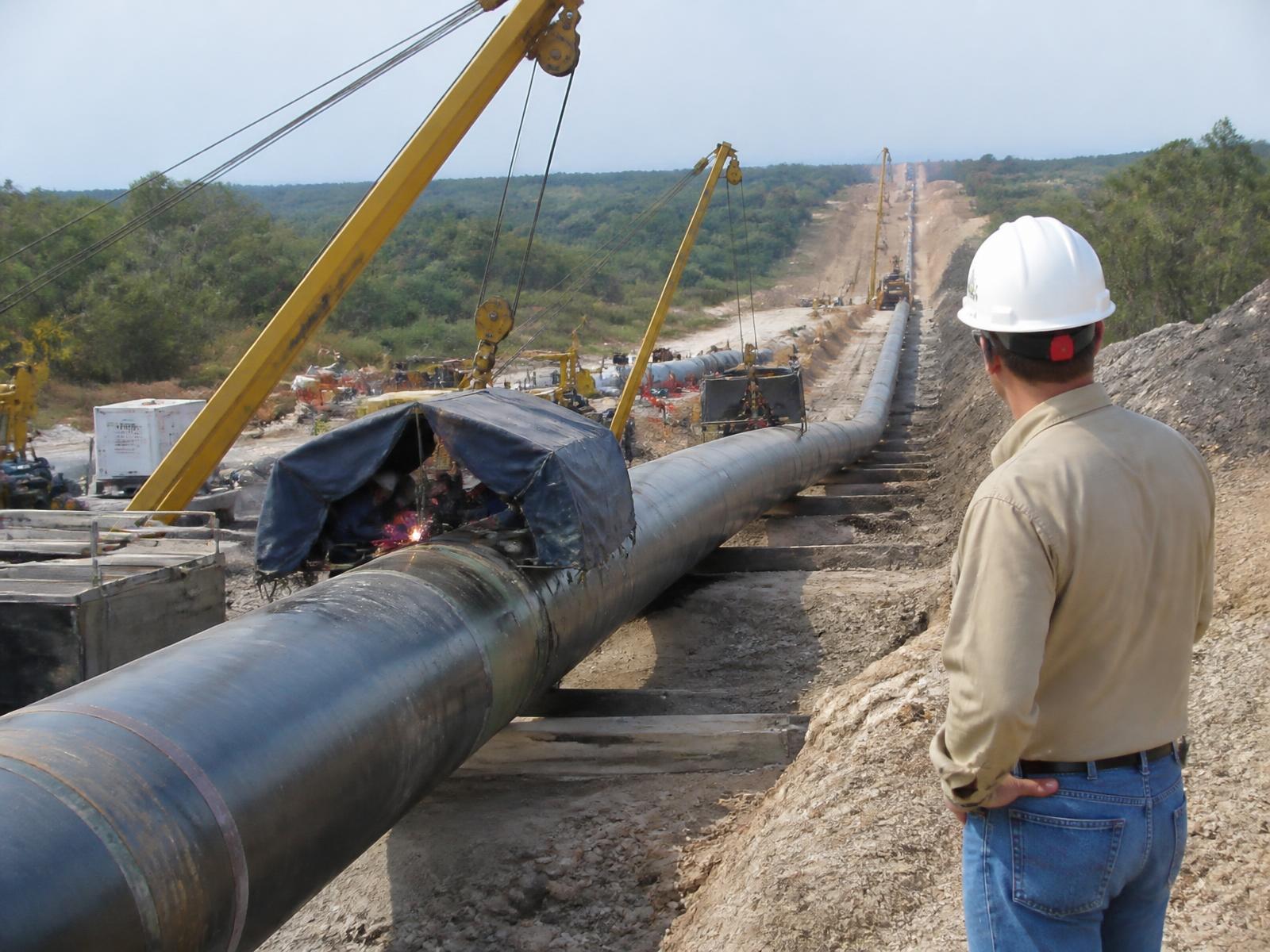
Third-party pipeline welding inspection can support:
- Pipeline fabrication
- Field pipeline construction
- Girth welding
- Pipeline repair
- Pipeline rehabilitation
- Tie-ins
- Pipeline station fabrication
- Compressor stations
- Pump stations
- Metering stations
- Valve stations
- Associated piping and welded components
The exact inspection responsibility, authority and acceptance criteria should always be defined from the controlled project documentation before the assignment begins.
Pipeline Welding Inspection Activities
The inspection scope depends on the project requirements and the stage of work.
Before Welding
Inspection activities may include:
- Project specification review
- Inspection and Test Plan review
- Welding Procedure Specification verification
- Procedure qualification review
- Welder qualification verification
- Material identification
- Material traceability
- Joint preparation inspection
- Bevel condition verification
- Fit-up inspection
- Alignment checks
- Welding consumable controls
- Preheat requirements
- Inspection equipment verification
- Acceptance-criteria review
The objective is to confirm that the conditions established for welding are understood before production begins.
During Welding
As welding progresses, the inspector may follow:
- Welding process
- Welding parameters
- Preheat temperature
- Interpass temperature
- Consumable handling
- Joint cleanliness
- Welding sequence
- Workmanship
- Production conditions
- Deviations from approved procedures
- Visual condition between welding stages
- Agreed hold and witness points
Inspection presence can be arranged around selected production milestones or maintained continuously where welding activities occur throughout the project schedule.
After Welding
Following completion of the weld, activities may include:
- Visual welding inspection
- Weld profile assessment
- Dimensional checks where applicable
- NDT status verification
- NDT witnessing where assigned
- Repair identification
- Repair follow-up
- Reinspection
- Weld-record review
- Documentation review
- Final inspection reporting
The exact scope remains subject to the applicable project requirements.
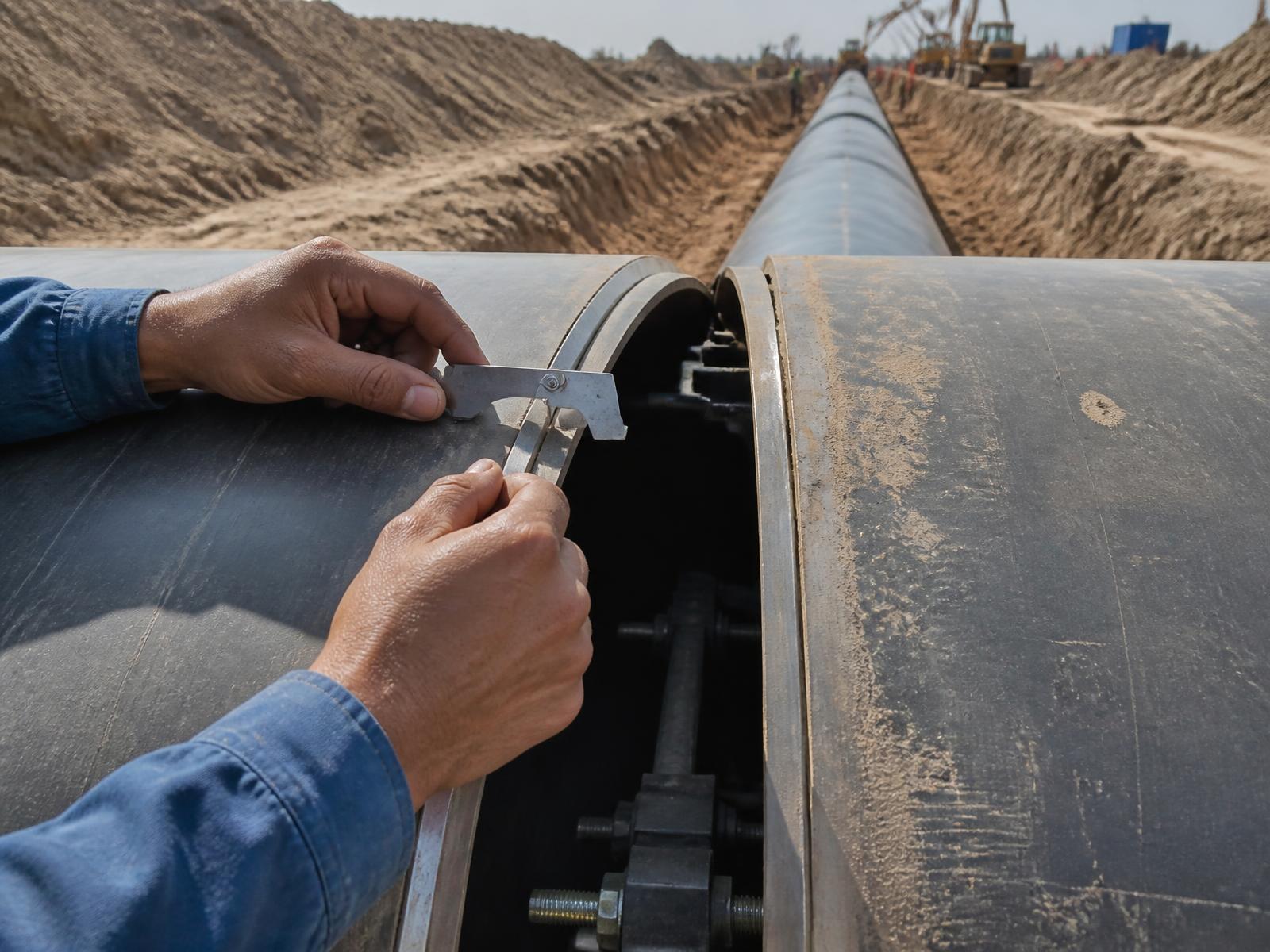
Pipeline Girth Weld Inspection
Girth welds form an important part of many pipeline construction projects.
Their inspection may require attention before, during and after welding, particularly where production progresses continuously along the pipeline route.
Depending on the approved project procedures and inspector responsibilities, girth weld inspection can include:
- Joint preparation
- Pipe-end condition
- Alignment and fit-up
- Root gap
- Hi-lo or internal misalignment
- Preheat
- Welding progression
- Welding parameters
- Consumable control
- Visual inspection
- NDT status
- Weld identification
- Repair follow-up
- Final documentation
Where the pipeline construction schedule is intensive, inspection coverage can be structured around shifts, crews, production sections or agreed inspection points.
Pipeline Welding Standards and Project Requirements
Pipeline welding projects may operate under different codes, specifications and client requirements.
Depending on the project, relevant requirements may originate from standards such as:
API 1104
API 1104 is commonly associated with welding of pipelines and related facilities and may form part of the technical basis for pipeline welding, qualification and inspection activities.
For inspection support specifically scoped around API 1104 project requirements, explore API 1104 Welding Inspection Services.
ASME B31.4
Projects involving liquid transportation pipeline systems may include requirements associated with ASME B31.4.
ASME B31.8
Gas transmission and distribution pipeline projects may include requirements associated with ASME B31.8.
Project and Client Specifications
In addition to industry codes, projects frequently establish specific requirements through:
- Project welding specifications
- Inspection and Test Plans
- Approved welding procedures
- Engineering specifications
- Client quality requirements
- NDT procedures
- Construction procedures
- Acceptance criteria
The applicable standard, edition, inspection responsibility and acceptance criteria must always be established from the controlled project documentation.
Selecting a Pipeline Welding Inspector
A welding inspector can hold the required certification while having limited exposure to pipeline construction.
Dilenza therefore considers the wider technical context before proposing an inspector profile.
Qualification
Depending on the project requirement, inspector profiles may include qualifications such as:
- AWS Certified Welding Inspector
- CSWIP Welding Inspector
- CSWIP Senior Welding Inspector
- International Welding Inspector
- Relevant NDT qualifications
- Other project-specific credentials
Pipeline Experience
Previous experience can be considered in relation to:
- Oil pipelines
- Gas pipelines
- Transmission pipelines
- Cross-country pipelines
- Pipeline fabrication
- Field pipeline construction
- Pipeline repair
- Pipeline rehabilitation
- Pipeline tie-ins
- Pipeline stations
- Associated piping
- Similar welding processes and materials
Standards Experience
The inspector should be familiar with the codes, procedures and project requirements relevant to the assignment.
Location and Working Conditions
Pipeline construction can involve remote locations, changing work fronts, travel between project areas, extended shifts and challenging site conditions.
Location and operational suitability therefore form part of inspector selection.
Availability
The required professional must be able to support the actual construction schedule.
A profile suitable for a two-day inspection may not be appropriate for a six-month pipeline construction assignment.
Review the Inspector Before Deployment
Technical suitability should be established before the inspector reaches the project.
Dilenza can present relevant pipeline welding inspector profiles for client technical review before an assignment is confirmed.
The client can assess factors such as:
- Inspector certification
- Pipeline project experience
- API 1104 experience where required
- Relevant welding processes
- Materials experience
- Previous construction environments
- NDT knowledge
- Language capability
- Reporting experience
- Location
- Availability
- Expected assignment duration
Where appropriate, interviews with shortlisted inspectors can be arranged before final selection.
This allows the project team to assess the proposed professional directly before deployment.
Pipeline Welding Inspection Across the Project Lifecycle
- 01
Fabrication
Inspection can support pipeline-related fabrication at manufacturers, suppliers and fabrication workshops.
This may include welded components, spools, stations, skids and other project packages.
- 02
Construction
Inspectors can support field welding as pipeline construction progresses.
Coverage may be organized around construction spreads, working shifts, production stages or defined inspection points.
- 03
Tie-Ins and Connections
Inspection can support welding associated with pipeline connections, final tie-ins and related project interfaces.
- 04
Repair and Rehabilitation
Pipeline repair programs may require welding inspection during modifications, defect removal, repair welding, replacement work and final verification.
- 05
Long-Term Project Support
Resident or rotational welding inspectors can remain involved where pipeline activities continue for several months or where consistent project knowledge is important.
NDT Witnessing and Weld Examination
Pipeline welding inspection and nondestructive testing perform different functions within the quality process.
Welding inspection responsibilities
Where assigned by the project, the welding inspector may:
- Review NDT status
- Confirm weld identification
- Witness testing activities
- Follow repair requirements
- Verify repair completion
- Monitor reinspection status
- Review relevant inspection records
Specialist NDT activities
The specific NDT method, personnel qualification, acceptance criteria and inspection responsibilities remain subject to the project documentation.
Dilenza's welding inspection scope should not be understood as replacing specialist NDT activities where separate qualified NDT personnel are required.
Inspection Coverage Adapted to the Pipeline Schedule
Pipeline projects can require very different levels of inspection presence.
Single Inspection Visit
Suitable where inspection is required for one defined activity, production stage or project milestone.
Short-Term Pipeline Inspection
Inspection support for a defined construction, fabrication or repair period.
Recurring Inspection
Planned inspection visits aligned with production stages, construction progress or agreed ITP points.
Resident Pipeline Welding Inspector
Continuous technical presence where welding activities occur regularly over an extended period.
Rotational Welding Inspector
Suitable for remote projects, intensive working schedules or assignments where inspection coverage needs to continue across rotations.
Multi-Site Inspection
Inspection resources can be coordinated where pipeline components, stations or related equipment are fabricated across several suppliers or project locations.
Inspection coverage should follow the project schedule—not force the project into a fixed service model.
Resident Pipeline Welding Inspectors
Long pipeline projects can accumulate significant technical history.
An inspector who remains involved over time can become familiar with:
- Project documentation
- Approved welding procedures
- Construction sequence
- Welding crews
- Recurring observations
- NDT status
- Repairs
- Reinspection
- Reporting expectations
- Project contacts
- Client requirements
- Changing construction conditions
That continuity can be particularly useful where welding production is ongoing and previous inspection history needs to be followed from one project stage to another.
Dilenza can support resident and long-term pipeline welding inspection assignments lasting several months or longer, subject to the project requirements and availability of suitable professionals.
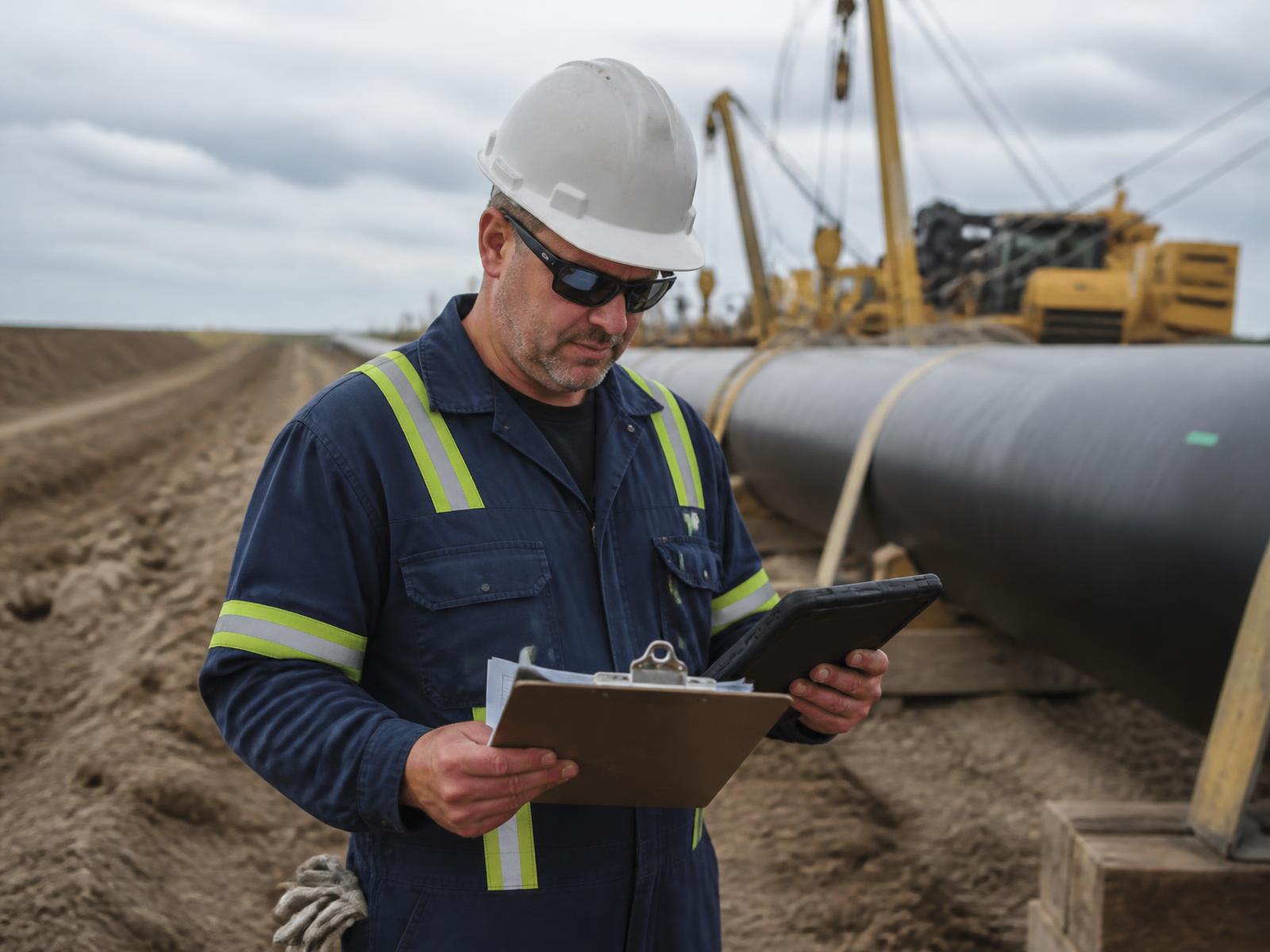
Pipeline Welding Inspection Reporting
Inspection is useful only when the project can understand what happened on site.
Depending on the assignment, reporting can include:
Inspection Records
- Daily inspection reports
- Inspection visit reports
- Photographs
- ITP status
- Hold-point records
- Witness-point records
Welding & NDT Status
- Welding observations
- Weld identification
- NDT status
- Welding records
Repairs & Nonconformities
- Repair follow-up
- Reinspection status
- Nonconformity documentation where assigned
Project Administration
- Punch lists
- Final summaries
- Timesheets for resident assignments
Before deployment, Dilenza can align with the client on:
- Reporting format
- Reporting frequency
- Distribution
- Project contacts
- Escalation requirements
- Communication method
- Client reporting systems
Where the client already uses its own templates or digital project platform, these requirements can be reviewed during assignment preparation.
How Dilenza Provides Pipeline Welding Inspection Support
- 01
Define the Project
Tell us the pipeline type, location, project phase and welding activities involved.
- 02
Review the Technical Requirements
Applicable standards, qualifications, welding processes, project specifications and inspection responsibilities are considered.
- 03
Define the Inspector Profile
The technical and operational requirements of the assignment are established.
- 04
Match Relevant Pipeline Experience
Inspector experience is evaluated against the equipment, welding activities and project environment involved.
- 05
Review Location and Availability
The required working schedule, location, duration and mobilization conditions are considered.
- 06
Review Inspector Profiles
Relevant profiles can be presented for client technical assessment.
Client interviews with shortlisted inspectors can also be arranged where required.
- 07
Prepare and Deploy
Scope, reporting, schedule, project contacts and communication expectations can be aligned before inspection begins.
- 08
Continue Project Support
For ongoing assignments, Dilenza can remain involved as construction schedules, extensions and resource requirements develop.
Pipeline Projects We Can Support
Oil Pipelines
Welding inspection for pipeline fabrication, field construction, associated stations and related project components.
Gas Pipelines
Inspection support for welded pipeline systems, transmission infrastructure and associated facilities.
New Pipeline Construction
Inspection throughout fabrication and field welding activities according to the project inspection scope.
Pipeline Repair
Welding inspection during repair, replacement and modification activities.
Pipeline Rehabilitation
Inspection support where existing pipeline systems undergo refurbishment or welding-related intervention.
Pipeline Stations
Inspection for welded components and associated piping at compressor, pump, metering and valve stations.
Frequently Asked Questions
What does a pipeline welding inspector check?
The exact scope depends on the project. Activities can include review of welding documentation, welder qualifications, material traceability, joint preparation, fit-up, welding conditions, welding parameters, visual inspection, NDT witnessing, repair follow-up and final documentation.
Does Dilenza provide third-party pipeline welding inspectors?
Yes. Dilenza can provide qualified welding inspectors to support third-party inspection requirements for pipeline fabrication, construction, repair and associated facilities.
Can we request an inspector with API 1104 experience?
Yes. Where API 1104 forms part of the project requirements, relevant experience can be considered during inspector selection.
For a dedicated API 1104 service scope, see API 1104 Welding Inspection Services.
Can we interview the inspector before deployment?
Yes. Relevant inspector profiles can be presented for technical review and, where required, interviews with shortlisted professionals can be arranged before confirmation.
Can Dilenza provide a resident pipeline welding inspector?
Yes. Resident inspectors can support projects requiring continuous inspection presence over several months or longer.
Can Dilenza support pipeline construction in remote locations?
Potentially, yes. Location, mobilization, working schedule, rotation requirements and availability are considered as part of the assignment review.
Does the welding inspector perform NDT?
Not necessarily. Welding inspection and NDT are distinct technical activities. Where required, the welding inspector may witness NDT or review its status within the agreed scope. Any NDT activity requiring separate qualified personnel should be defined by the project.
Can Dilenza support pipeline repair projects?
Yes. Welding inspectors can support pipeline repair and rehabilitation activities according to the applicable project scope, procedures and responsibilities.
Which inspector qualifications can be requested?
Depending on the project, profiles may include AWS CWI, CSWIP, International Welding Inspector, relevant NDT qualifications or other project-specific credentials.
Can Dilenza support international pipeline projects?
Yes. Inspection requirements can be reviewed across international industrial markets, subject to project conditions and the availability of suitable inspection professionals.
Request a Pipeline Welding Inspector
Start with the project requirement.
Tell us where the pipeline project is located, what welding activities need to be inspected, which standards and qualifications apply and how long inspection support will be required.
Dilenza will review the technical and operational requirements and identify relevant inspector profiles.
Project information can include:
- Project location
- Pipeline type
- Project phase
- Welding scope
- Applicable standard
- Required inspector qualification
- Welding processes
- Starting date
- Working schedule
- Expected duration
- Language requirements
- Reporting requirements
Review Qualified Pipeline Welding Inspectors Before You Decide
The right certification is only one part of inspector selection.
Review profiles matched to your pipeline project, assess relevant experience and, where required, interview shortlisted inspectors before confirming the assignment.
Pipeline Welding Inspection Where the Project Requires It
From one critical weld inspection to continuous project presence, Dilenza provides pipeline welding inspectors selected around the technical requirements, project environment, location and schedule behind the work.